Sandboarding Moreton Island: The Complete Guide
Moreton Island's interior holds a genuine desert of bare sand dunes, and sliding down one at speed on a board is one of the most consistently loved parts of a day trip here, usually included at no extra cost on the full-day tours. Here's what it actually feels like and how to get the most out of it.
Trip planning note: prices, permits, timetables and historical ratings below are estimates or background examples, not current booking quotes. Use the provider calendar for the selected departure and confirm all mandatory fees.
The guided adventure day supplies sandboards and transport to the dunes, with kayaking and snorkeling in the same itinerary. Explore Kayak, Snorkel And Sandboard
Ask most people what they remember most from a Moreton Island day trip, and sandboarding tends to come up before the wrecks or the wildlife. It's fast, it's simple, and it needs nothing you can't be handed on the spot.
The Quick Answer
Sandboarding happens on the bare dunes in the island's interior "desert," and is included at no extra cost on most full-day Moreton Island tours, usually 30 to 60 minutes of unlimited runs with boards provided. Riders lie or sit down rather than stand, reaching genuinely fast speeds on a good run.
Where Does Sandboarding Happen On Moreton Island?
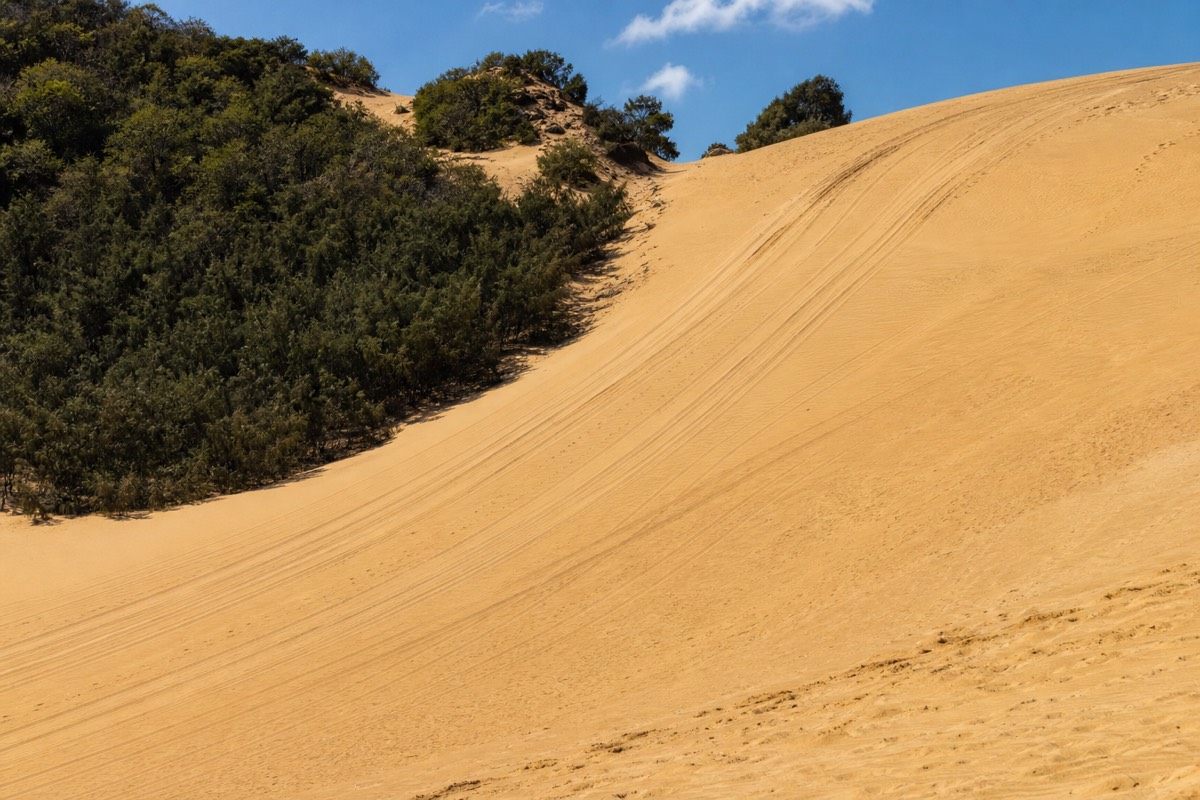
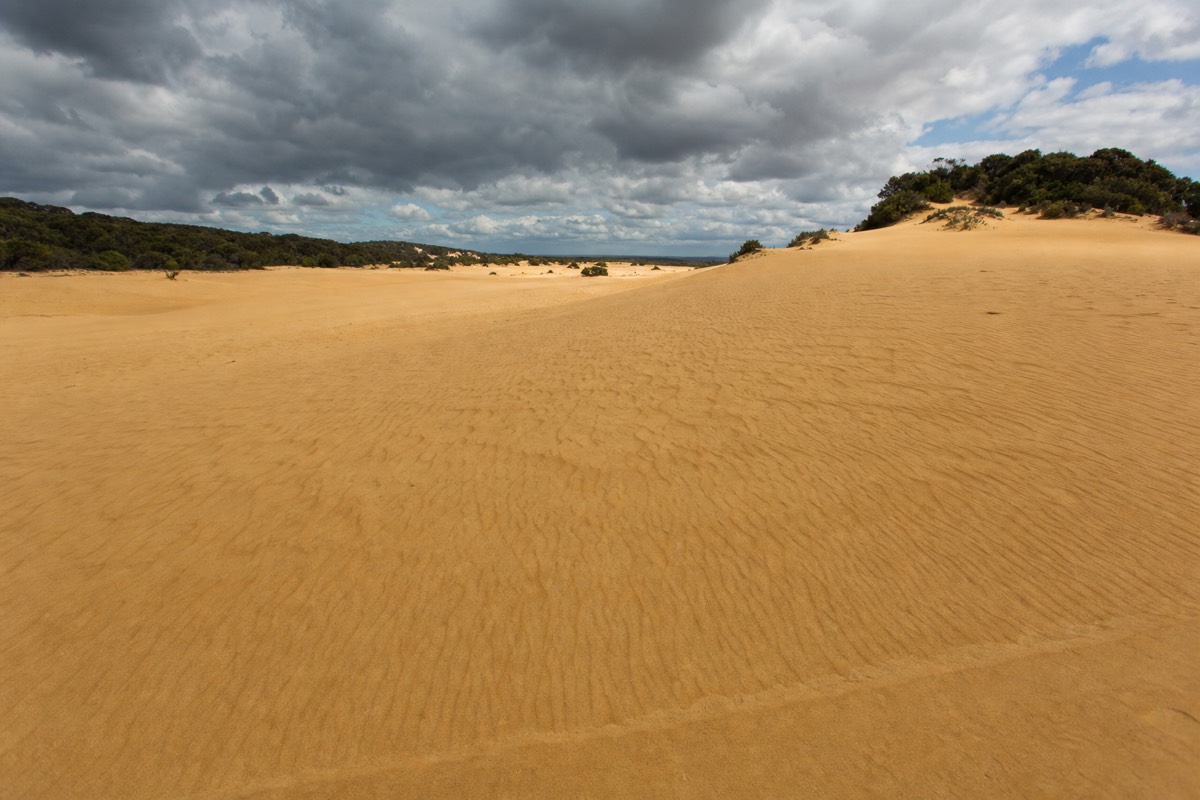
In the island's interior, in an area commonly called "the Desert," a stretch of bare, wind-sculpted sand dunes with no vegetation, distinct from the forested dunes elsewhere on the island. The absence of plant cover is exactly what makes it rideable, and the steep dune faces here are the reason this activity exists at all.
Is Sandboarding Included In Tours, Or Does It Cost Extra?
On the large majority of full-day Moreton Island tours it's included at no extra charge, typically 30 to 60 minutes of unlimited runs with boards and safety instruction provided; only some very short half-day or heavily budget tours charge extra or skip it. If sandboarding is a priority for you, check the kayak, snorkel and sandboarding tour's inclusions to confirm before booking, since inclusion isn't universal across every operator.
How Fast Do You Actually Go?
On a good dune with a running start, riders can reach speeds reported around 40 km/h, which is considerably faster than the gentle slide the word "sandboarding" might suggest. The height and steepness of the dune, plus how recently it rained, both affect the actual speed on any given run.
What's The Technique, And Is It Safe?
Riders lie face-down or sit on the board rather than stand, guides give a short safety briefing before the first run, and helmets are provided or available where needed. The main risks are the same as any fast slide: losing control on a run, or a collision with another rider, both of which the guide briefing is specifically there to prevent.
- Follow the guide's instructions on lying/sitting position; standing sandboarding is not how this is run here
- Wait for the rider ahead to clear the base of the dune before starting your run
- Expect sand in places you didn't expect; dress for it, not against it
- Sunscreen matters more here than it looks, since there's no shade on open dune faces
What Should You Wear And Bring?
Clothes you don't mind getting sandy, closed shoes for the walk up the dune (or expect to remove them for the ride down), sunscreen, and a change of clothes for afterward if your tour includes other water activities the same day. Most operators supply the boards themselves, so you don't need to bring your own.
Can You Sandboard Independently, Without A Tour?
Technically yes if you're self-driving with your own board and a 4WD to reach the dune area, but almost everyone experiences it as part of a guided tour, since the dunes sit inland and boards, instruction and transport are already bundled into the tour price. See our 4WD guide if you're planning to reach the interior dunes independently.
Best Time Of Year For Sandboarding
It runs year-round as part of day tours, but drier months give firmer, faster sand; after heavy rain the dunes can be noticeably softer and slower for a day or two. See our best time to visit guide for the fuller seasonal picture.
What Does A Sandboarding Session Actually Feel Like, Run By Run?
Each run follows the same pattern: walk or ride up the dune face with the board, a guide positions you lying or sitting for the descent, then a short, fast slide to the base before you walk back up for another go, with unlimited runs typically available within the allotted 30-60 minute window.
| Step | What happens |
|---|---|
| Walk up | Climb the dune face carrying the board, guide sets the pace |
| Position | Lie face-down or sit, guide confirms you're ready |
| The run | A few seconds of fast sliding to the base of the dune |
| Repeat | Walk back up for another run, typically unlimited within the time slot |
Sandboarding By Age And Fitness Level
Most healthy children and adults can sandboard comfortably; the physically demanding part is the repeated walk back up the dune, not the ride down itself, so fitness matters more for how many runs you'll want than whether you can do it at all. Guides typically adjust pace and dune choice for groups with younger children or less fit members, so this is rarely a reason to skip it, more a reason to pace yourself across the session.
Common Questions First-Timers Ask
- Will I get sand everywhere? Yes, expect sand in your clothes, hair and shoes; dress for it rather than trying to avoid it entirely.
- Do I need my own board? No, boards are supplied on essentially every tour that includes sandboarding.
- Is there an age limit? Generally no strict limit for children who can follow safety instructions, though very young children usually ride with an adult or sit out this particular activity.
- Can I fall off? Yes, it happens, and it's rarely more than a soft, sandy tumble at this speed and angle; it's part of the fun for most riders.
How Does Moreton Island's Sandboarding Compare With Other Australian Dune Spots?
What sets Moreton Island's dunes apart from many other sandboarding locations is scale and access combined: dunes tall and steep enough for genuinely fast runs, reachable on a day trip from a capital city, with boards and instruction bundled into an already-booked tour rather than a standalone activity you have to seek out and arrange separately. Plenty of coastal destinations have some dune to slide down; fewer combine height, consistency and easy tour access the way this stretch of the island does.
Which Moreton Island Tours Actually Include Sandboarding?
Of the six tours listed on this site, two name sandboarding directly: the kayak, snorkel and sandboarding combo tour has it in the title, and the full-day island hopping tour lists "sand tobogganing" in its own description. The other four are built around different activities and don't advertise sandboarding as a standard inclusion. If sandboarding is the main reason you're booking, check the tour that names sandboarding in the title rather than assuming every Moreton Island day tour covers it.
| Tour | Sandboarding mentioned? |
|---|---|
| Moreton Island Day Tour – Kayak, Snorkel Wrecks & Sandboarding Thrills | Yes, named in the title |
| Brisbane to Moreton Island: Full-Day Island Hopping Experience | Yes, listed in the tour description |
| Moreton Island Dolphin Watching & Tangalooma Snorkel Cruise | Not specified, confirm with the operator |
| Moreton Island Eco Marine Safari & Snorkel Experience | Not specified, confirm with the operator |
| Tangalooma Quad Bike & Helicopter Tour | Not specified, confirm with the operator |
| Brisbane to Moreton Bay: 5-Hour Private Jetski Island Hopping | Not specified, confirm with the operator |
How Does Sandboarding Fit Into The Rest Of A Full Day-Trip Itinerary?
On a typical full-day tour, sandboarding sits in the middle of the itinerary, usually after the morning ferry crossing and around the middle of the day, sandwiched between snorkeling the wrecks and general beach time. Operators sequence it this way for a practical reason: it's the most physically active block of the day, so it goes in while energy is still high, not right before the return crossing when most groups are ready to sit still.
| Time (approx.) | Typical activity block |
|---|---|
| 7:00am-9:30am | Ferry crossing and arrival on the island |
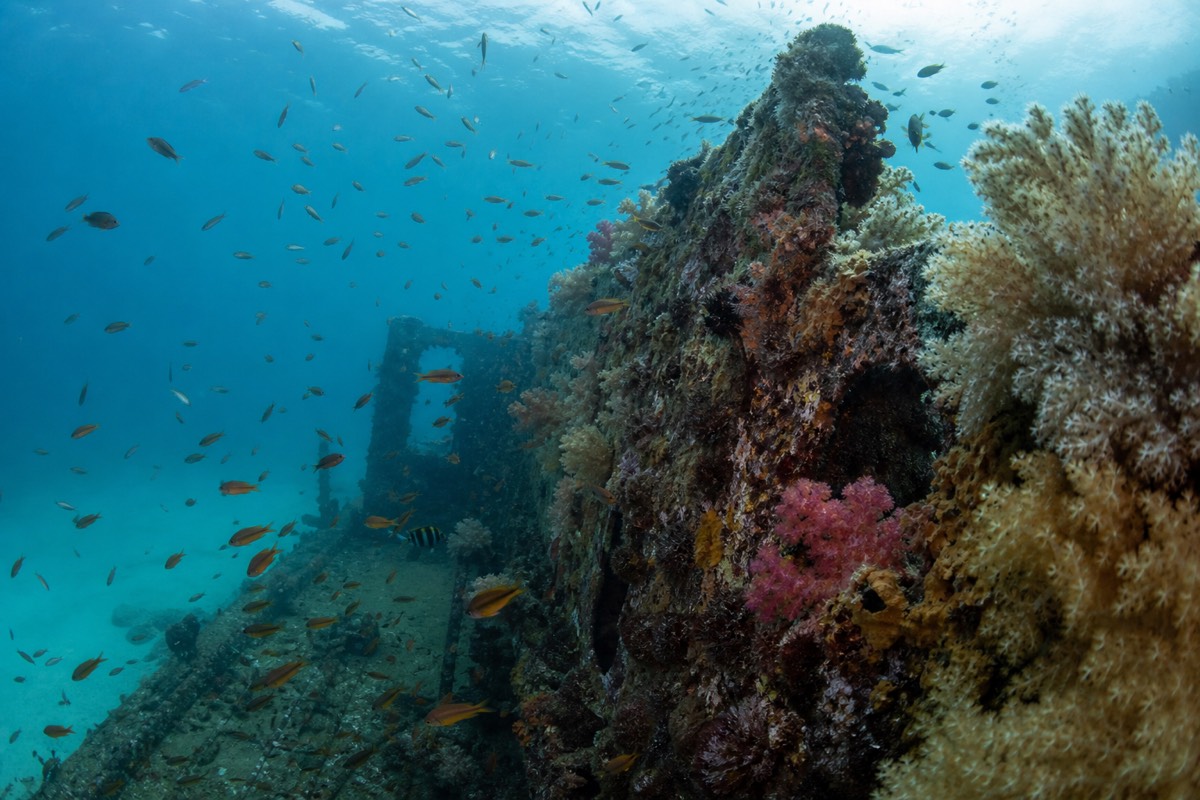
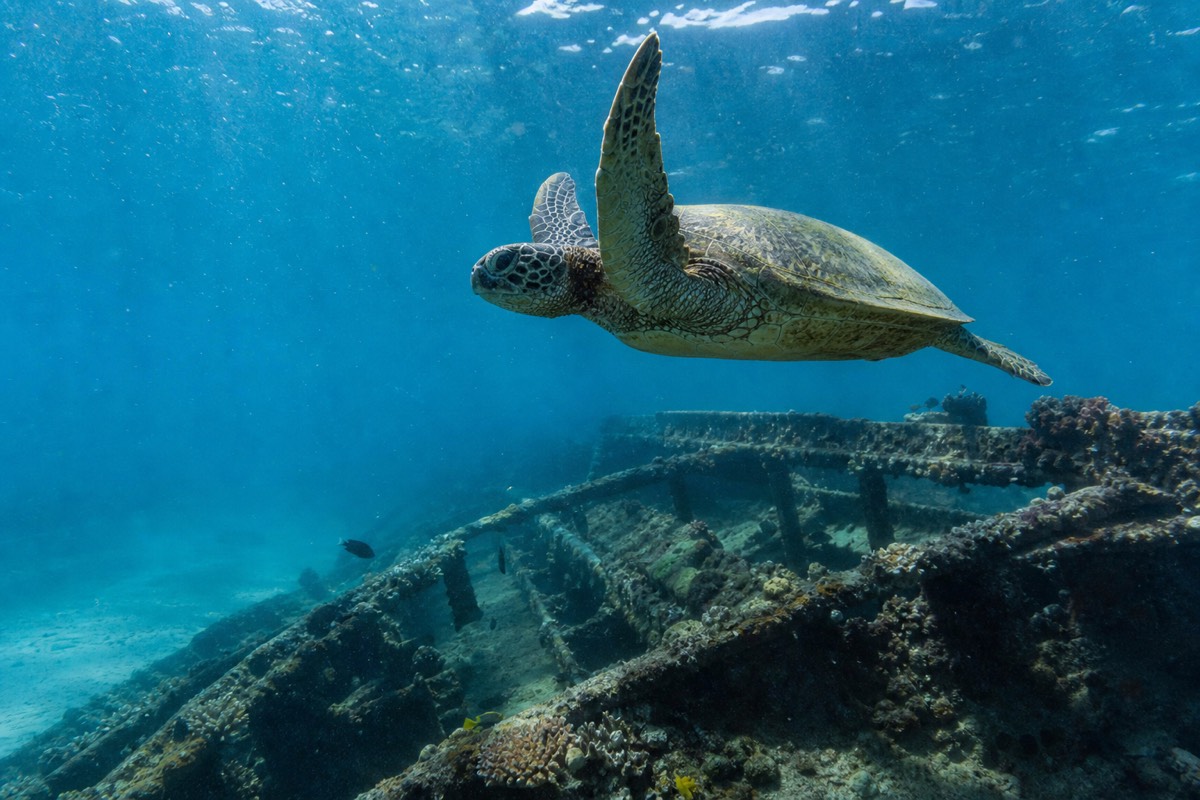
| 9:30am-11:30am | Snorkeling the Tangalooma Wrecks |
| 11:30am-1:00pm | Sandboarding in the interior dunes, then lunch |
| 1:00pm-3:00pm | Beach time, 4WD driving, wildlife spotting |
| 3:00pm-5:00pm | Return ferry crossing to Brisbane |
Exact timing shifts by operator and season, but the underlying shape, wrecks while the water is calmest, sandboarding mid-day, quieter activities later, holds across most full-day itineraries that include it.
A Packing List Built Specifically For Sandboarding
Beyond the general day-trip packing list, a handful of items matter specifically for the dune session: something you don't mind filling with sand, footwear you can remove quickly, and a dry bag for anything electronic.
| Item | Why it matters for sandboarding specifically |
|---|---|
| Closed shoes you can slip off easily | Most riders go barefoot or sock-footed on the board itself |
| Old or quick-dry clothing | Sand gets into everything during the climb and the run |
| A dry bag or waterproof phone pouch | Protects electronics from sand rather than water here |
| Extra sunscreen | No shade at all on the open dune faces |
| A hair tie or buff | Wind and blowing sand on an exposed dune summit |
Who Should Think Twice Before Sandboarding?
Anyone with a recent back, neck or knee injury, pregnant travellers, and anyone with a heart or respiratory condition aggravated by repeated uphill exertion in heat should approach the activity cautiously or sit it out, since the climb back up the dune is the physically demanding part, not the ride itself. None of this is unique to Moreton Island; it's the same guidance that applies to any fast-descent sand or snow activity. But the repeated walk-up is easy to underestimate from photos of the ride down alone, and it catches out more first-timers than the speed of the run itself does.
| Situation | Practical advice |
|---|---|
| Recent back, neck or knee injury | Skip it or limit to a single gentle run; ask the guide for a shorter dune |
| Pregnant travellers | Sit this activity out; the jolt on landing isn't worth the risk |
| Young children | Ride tandem with an adult where the operator allows it, or watch |
| Heat sensitivity or lower fitness | Pace runs, hydrate between climbs, use shade breaks where available |
Is Bundled Sandboarding Better Value Than Arranging It Yourself?
Yes, clearly. Almost no operator sells sandboarding as a standalone product, so the realistic comparison is a full-day tour that includes it against the cost of reaching the interior dunes independently, and self-driving there alone still means paying for the ferry, a 4WD, fuel and a vehicle permit before you've even found a board to borrow. Our 4WD guide breaks down that self-drive cost in full: a rough self-drive day runs $310-550 once ferry, hire, fuel and permit are added up, against tours that include sandboarding from around $136-139 per person.
| Approach | What's included | Typical cost |
|---|---|---|
| Guided day tour with sandboarding | Ferry, 4WD, boards, guide, usually lunch | From ~$136-139 per person |
| Self-drive to the dunes independently | Ferry, hired 4WD, fuel, vehicle permit; board not typically included | Roughly $310-550 for the day, before sourcing a board |
Is The Interior "Desert" The Only Place To Sandboard?
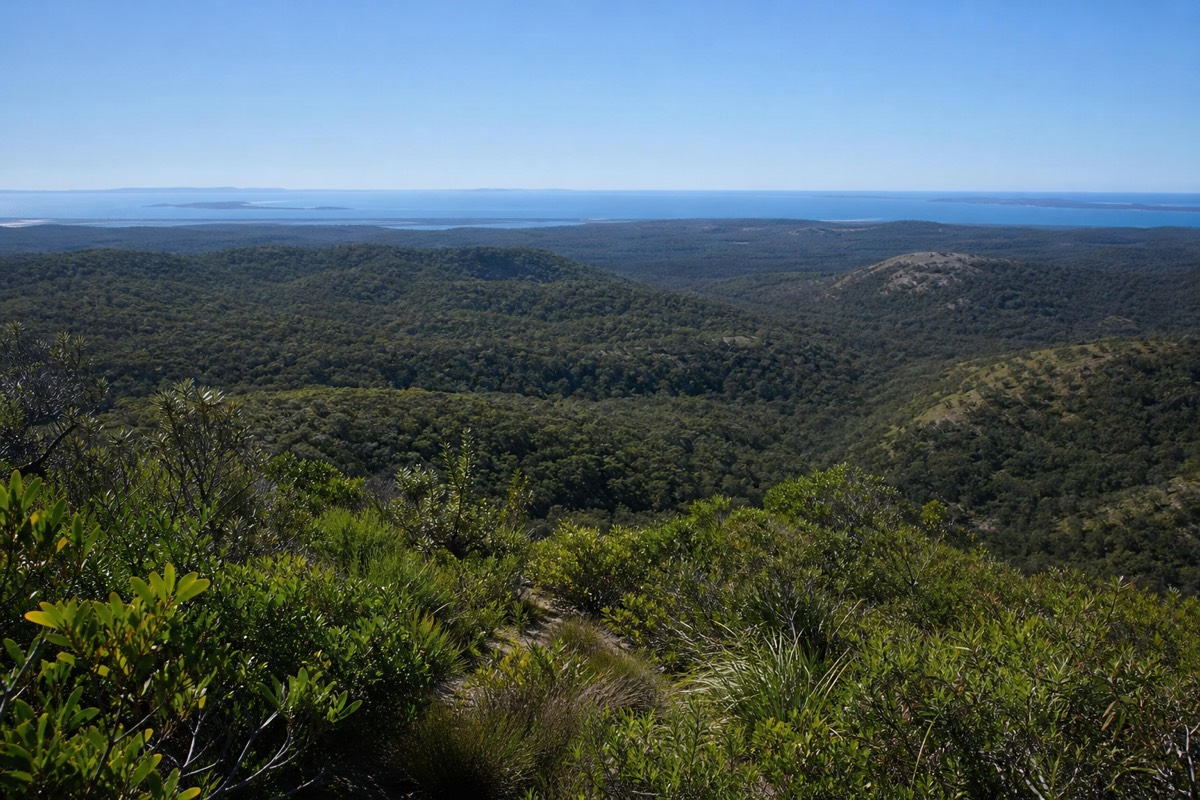
Yes, in practice. The interior Desert is the dune area every commercial tour uses; Moreton Island has vegetated dunes elsewhere too, including the flanks of Mount Tempest, but those are stabilised by root systems and never used for sandboarding, since riding a vegetated slope would tear up the plant cover holding it together. The bare interior dunes exist precisely because nothing has taken root there yet: wind keeps reshaping the sand faster than vegetation can establish, which is also why the same stretch keeps regenerating rideable slopes rather than wearing thin over years of tour traffic.
Common Assumptions About Sandboarding Here That Don't Quite Hold Up
| Assumption | What's actually true |
|---|---|
| "You stand up like snowboarding" | No, riders lie or sit; standing isn't how it's run on these dunes |
| "It's a gentle, slow slide" | Runs can reach speeds reported around 40km/h on a good dune |
| "You need to bring your own board" | Boards are supplied on essentially every tour that includes it |
| "One run and you're done" | Most tours give 30-60 minutes of unlimited runs within the session |
Does Camping Nearby Make Sandboarding Easier To Fit In?
Yes: campers with a middle day free of any ferry deadline can visit the interior dunes more than once, take advantage of firmer, faster sand after a dry spell, or simply skip a crowded session and try again the next morning, none of which a single day-trip itinerary allows for. Day-trippers get one scheduled sandboarding block wherever the tour places it; campers get to choose their own timing around conditions instead. See our camping guide for how a multi-night stay actually works.
Frequently Asked Practical Questions
- Is sandboarding safe for people who don't swim? Yes, it's a land-based dune activity with no swimming involved.
- Do you need to book sandboarding separately? No, it's included at no extra charge within the tours that offer it; there's no separate booking step.
- Can you sandboard in the rain? Wet sand rides slower and less predictably, so operators may shorten or adjust sessions after rain rather than cancel outright.
- Is there a weight limit for sandboarding? Practical limits depend on the board and operator; ask on the day if you have specific concerns.
What's The One Thing Most First-Timers Wish They'd Known Beforehand?
That the climb back up the dune, not the ride down, is what determines how many runs you'll actually get in, so pacing the first few climbs rather than sprinting them tends to produce a better overall session than going all-out from the first run and running out of energy halfway through the allotted time. It's a small mindset shift, but it's the difference between a session that feels rushed by the halfway mark and one that comfortably fills the full 30-60 minutes with runs to spare.
The second thing worth knowing beforehand, less about performance and more about comfort, is just how much sand ends up everywhere by the end. Nobody finishes a session clean, and going in expecting that rather than trying to avoid it entirely makes the whole thing more enjoyable.
The One-Line Version, For Anyone Skimming
A short walk up bare interior dunes, a fast lie-down or seated slide back to the bottom, boards and a briefing included on most full-day tours, unlimited runs for 30-60 minutes, no separate booking needed.
Pair It With
Sandboarding sits naturally alongside a visit to Mount Tempest, since both are in the island's dune interior, and most full-day tours that include sandboarding also stop at the Tangalooma Wrecks for snorkeling the same day.