Moreton Island Camping Guide: Zones, Permits And Without A 4Wd (2026)
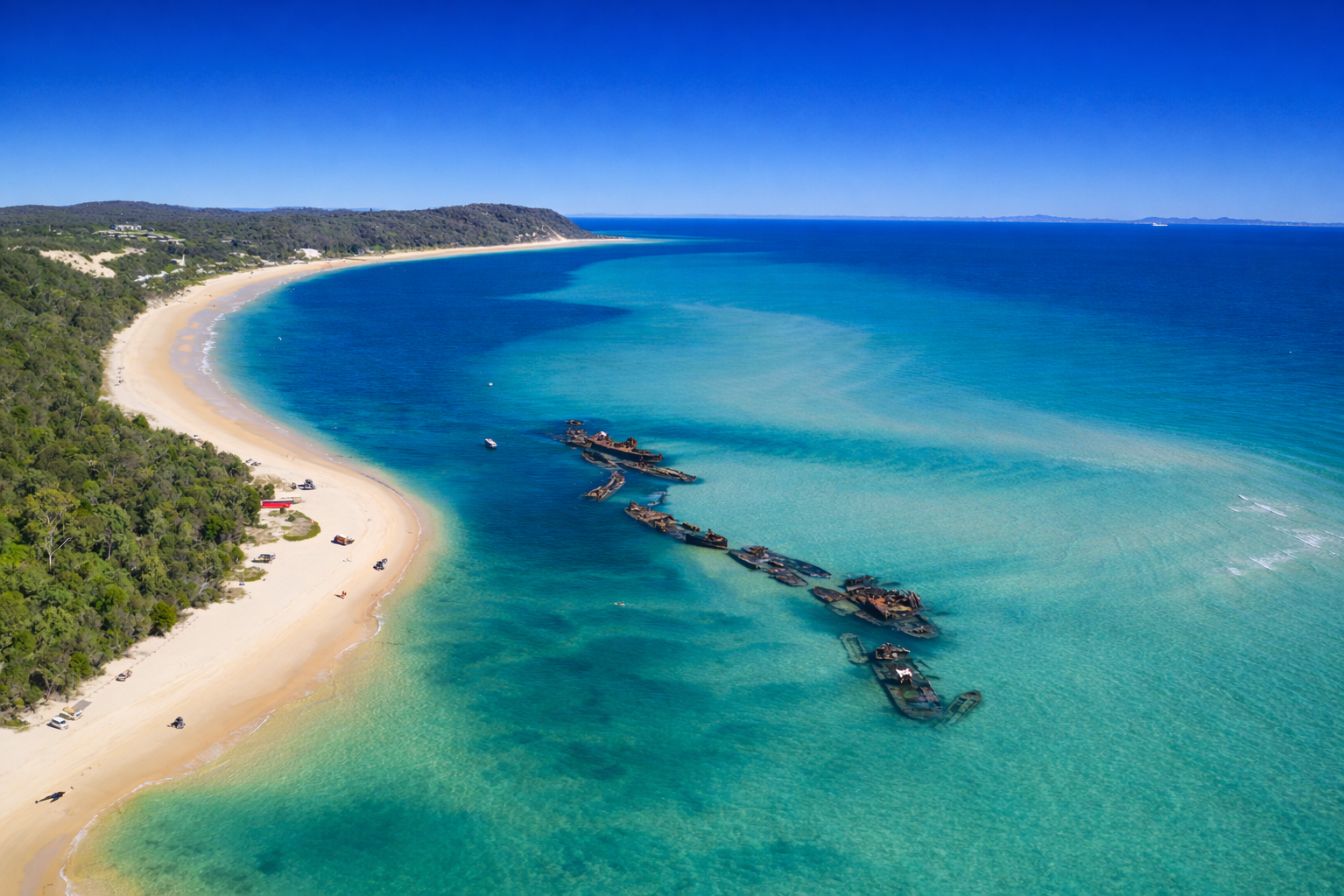
Camping is the way to see Moreton Island properly rather than in a single rushed day: sunrise over the wrecks, a quiet dune summit before the day-trip boats land, a sky with no city glow. It also means dealing with a real permit system and sand that swallows an unprepared vehicle. Here's what a designated zone actually gets you and how to do it without your own 4WD.
Trip planning note: prices, permits, timetables and historical ratings below are estimates or background examples, not current booking quotes. Use the provider calendar for the selected departure and confirm all mandatory fees.
The three-day camping package includes gear and ferry travel for ages 18–35. Independent camping remains the flexible alternative. Explore Three-Day Moreton Camping And Northern Loop
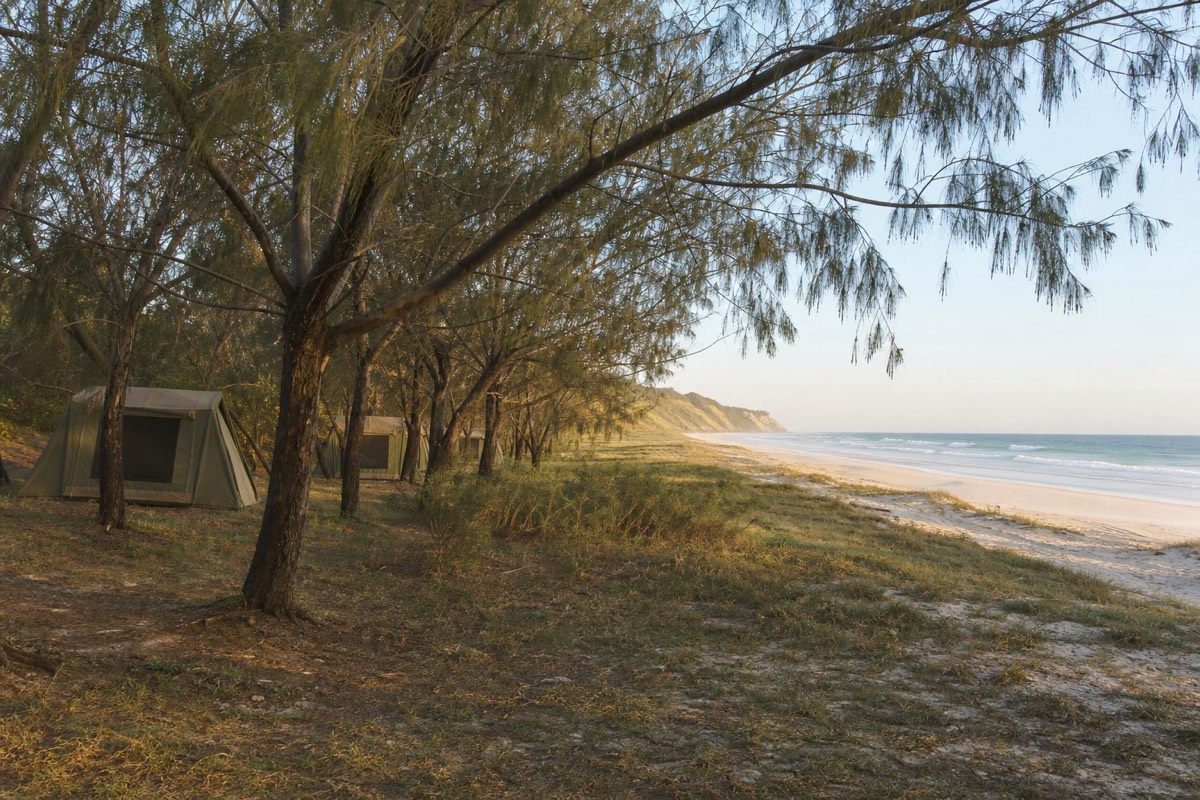
Moreton Island's camping is deliberately low-key: no powered sites, no shops on the sand, and no engineered amenities beyond a toilet block at each designated zone. That's the appeal for people who want it, and the reason it isn't for everyone.
The Quick Answer
Camping on Moreton Island happens at designated Queensland Parks and Wildlife Service (QPWS) zones, mostly clustered in the island's north-east, north-west and south-west, booked and paid for in advance through the QPWS system. A vehicle permit is separate from the camping permit and is only needed if you're driving; you can reach several zones as a foot passenger on an organised camping transfer instead.
Where Can You Actually Camp On Moreton Island?
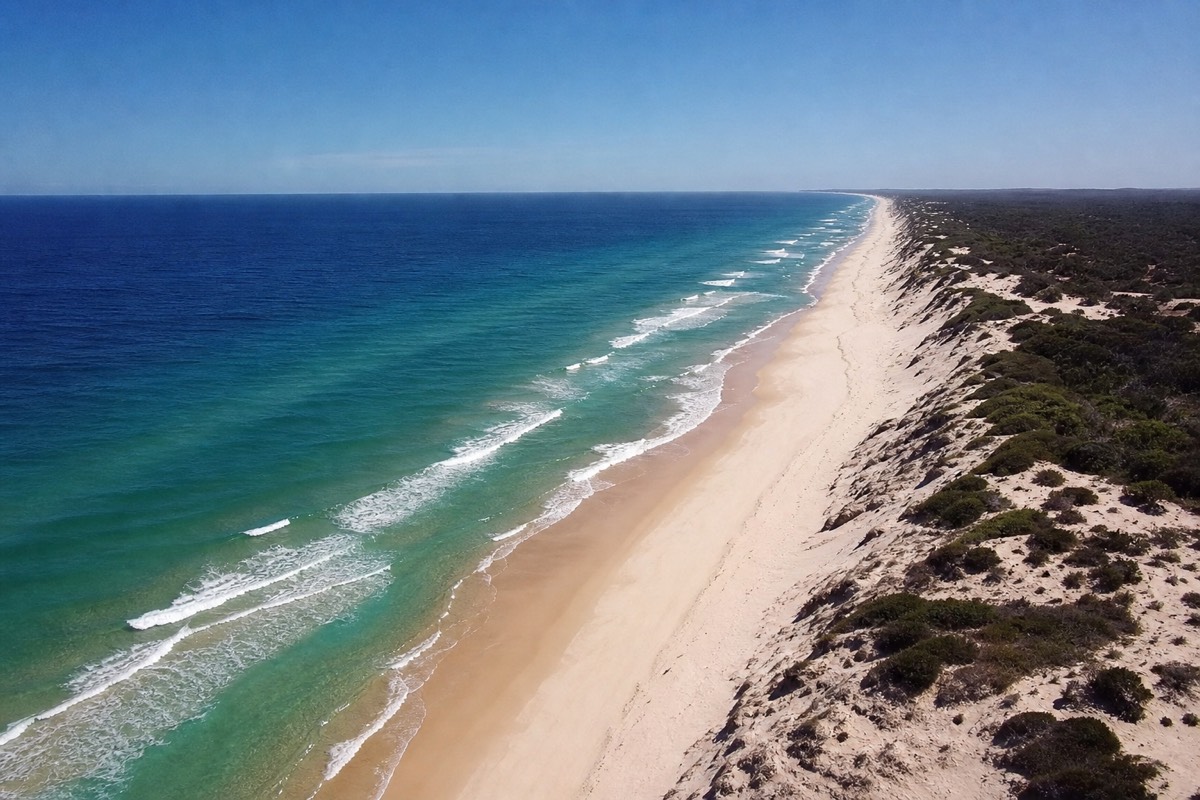
Camping is restricted to designated QPWS zones rather than anywhere you like on the beach, grouped broadly across the island's north-east, north-west and south-west coastlines. Wild, unpermitted camping is not allowed and is actively enforced, both to protect the dunes and to keep campers away from unsafe or environmentally sensitive stretches.
| Zone area | Character | Vehicle access |
|---|---|---|
| North-east zones | Ocean-facing beach camping, closer to Cape Moreton and North Point | 4WD beach driving |
| North-west zones | Sheltered bay-side camping near Tangalooma/Bulwer | 4WD or walk-in from ferry landing |
| South-west zones | Quieter, further from the main tourist beat | 4WD required |
Exact zone names and current openings change with seasonal closures and dune rehabilitation work, so the QPWS booking system itself is the authority on what's open before you book, not a static list.
How Does The Camping Permit System Work?
A camping permit is booked and paid in advance through the Queensland Parks and Wildlife Service booking system, on a per-person, per-night basis, and is entirely separate from any vehicle access permit. You need the camping permit even if someone else is driving you in, because it licenses your presence in the zone, not your vehicle.
Book ahead, especially for peak periods (school holidays, long weekends and the December-February stretch), because designated zones have a capped number of sites and popular ones sell out. Confirm the current per-night fee directly on the Queensland Parks and Wildlife Service Moreton Island page, since rates are reviewed periodically and this guide won't be the freshest source for a live number.
Do You Need A 4Wd Permit As Well, And How Much Is It?
Yes, if you're driving onto the island, you need a separate vehicle access permit, typically around $50-70, on top of your camping permit. The two exist for different reasons: the vehicle permit covers your impact on the sand tracks and beach highway, while the camping permit covers your footprint at the site itself.
Full detail on permits, tides and routes is in our 4WD guide. If you're not driving, this cost simply doesn't apply to you.
Can You Camp On Moreton Island Without A 4Wd?
Yes. Several zones are reachable as a foot passenger, either by walking in from a ferry landing point at a nearby zone, or by booking a camping-specific transfer that carries you and your gear in without you needing to drive. This removes the biggest barrier to camping independently, which is not the permit paperwork but handling a loaded 4WD on soft sand for the first time.
The trade-off is flexibility: without your own vehicle, you're limited to zones within a reasonable walk of a landing point, and you can't easily day-trip to distant landmarks like Cape Moreton Lighthouse from camp. For most people who want to camp but don't want to drive, a hired 4WD split among a group, or a private transfer arranged directly with a zone-adjacent operator, works out more practical than going fully on foot. If you're unsure whether any of this is worth the effort versus a guided day trip, our DIY vs tour comparison covers that broader decision.
What Should You Pack That A Normal Camping Trip Wouldn't Need?
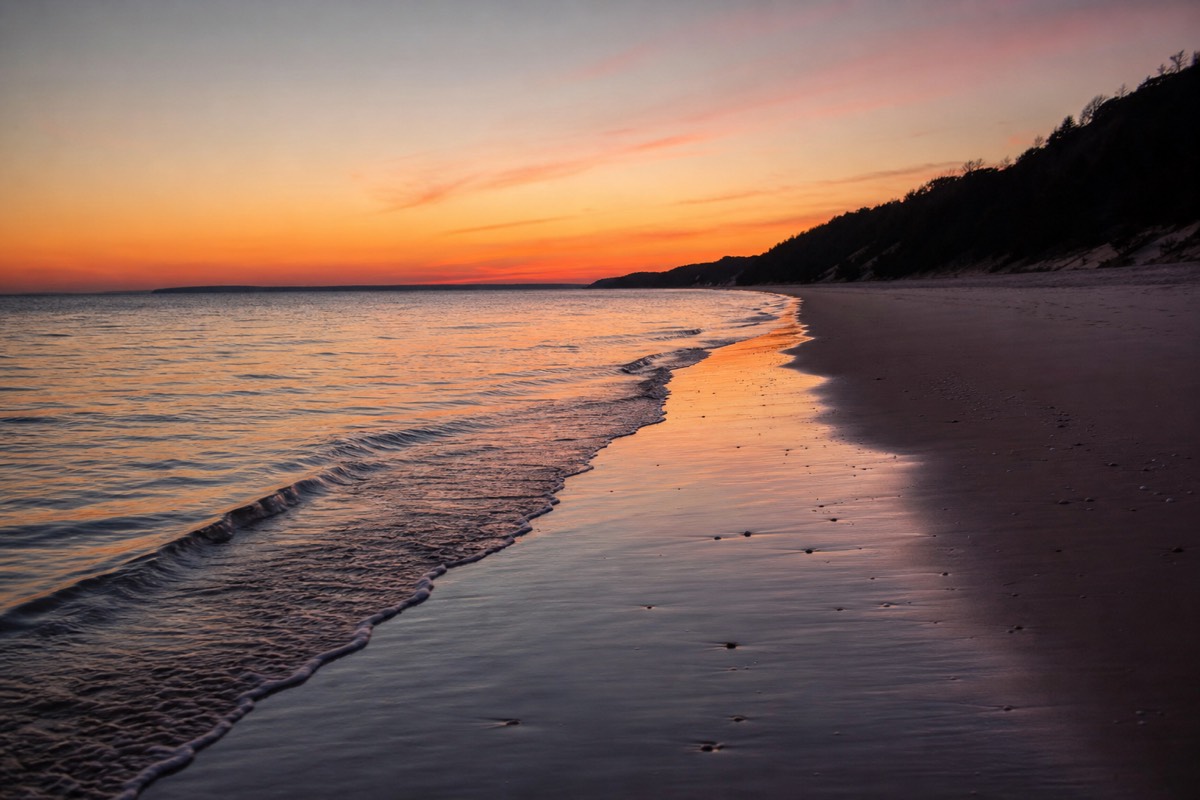
Because there are no shops on the sand, you need to bring every drop of water, all your food, and enough fuel for the full trip; broad-brimmed sun protection and insect repellent matter more here than at a typical bush campsite.
- All drinking water for the length of your stay (no reliable potable supply at most zones)
- All food and cooking fuel, since there are no shops beyond Tangalooma's small resort store
- Reef-safe sunscreen and a hat: shade is limited at beach zones
- Insect repellent, particularly at dusk near vegetated zones
- A sturdy tent rated for coastal wind, and pegs long enough to hold in loose sand
- A basic first aid kit and enough charge or a power bank, since there's no power at most sites
What's The Best Time Of Year To Camp?
The cooler, drier months from roughly April to October are the most comfortable for camping, with less humidity and fewer insects than the summer wet season; December to February is busiest and hottest. See our best time to visit guide for the full seasonal breakdown, including the whale season overlap for anyone camping on the eastern side.
Is Camping Dog-Friendly?
Some zones allow dogs under specific conditions and others do not, so this is a rule to confirm at the time of booking rather than assume either way. QPWS rules on this vary by zone and change from time to time, so check directly on the booking platform for your specific site before travelling with a pet. Not sure camping is right for you at all? See our honest is Moreton Island worth visiting take for the bigger-picture case for a visit.
No pet-friendly camping package has been verified. Check the independent camping rules before making plans with an animal.
Common Mistakes First-Time Campers Make
Underestimating water needs, booking a zone that needs a 4WD you don't have, and arriving without confirming the current permit and zone status are the three that catch people out most. A fourth, subtler one: assuming mobile signal will be reliable enough to sort logistics on the fly. Coverage is patchy across the island, so settle your permits, route and supply list before you leave the mainland.
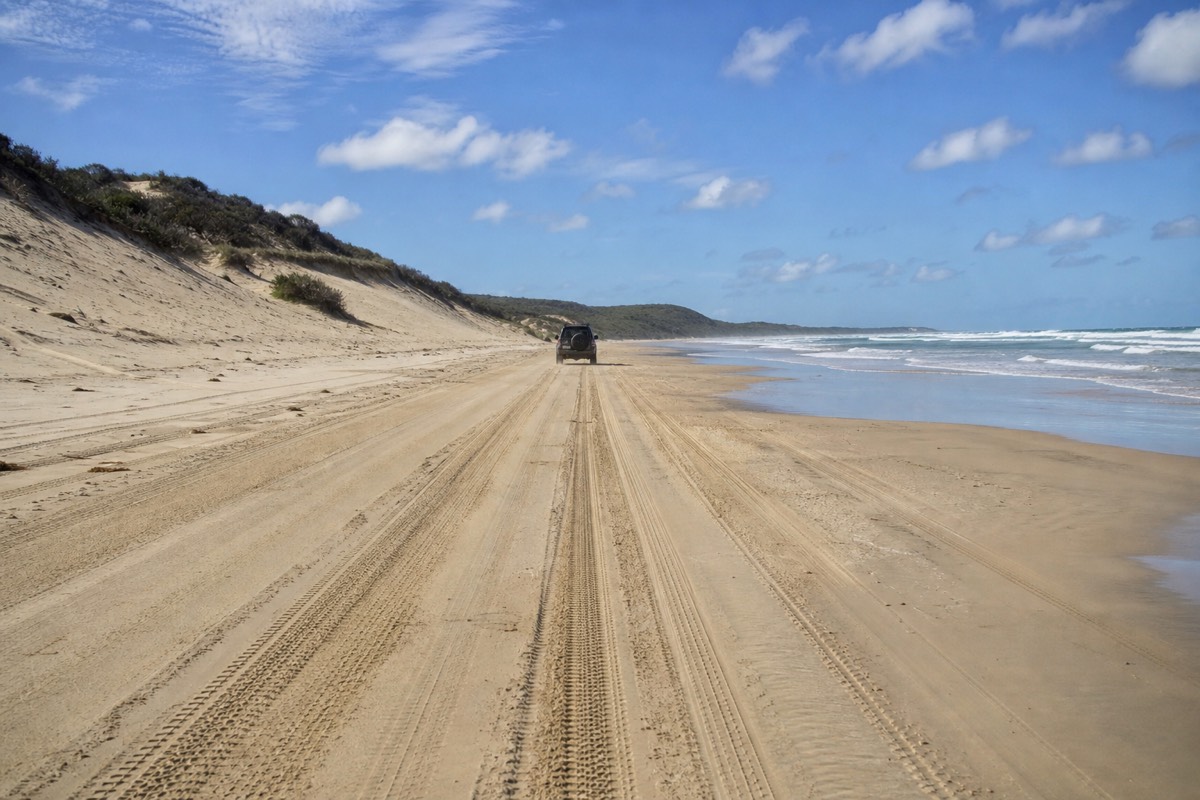
What Does A Typical Two-Night Camping Itinerary Look Like?
Most campers use a similar rhythm: arrive and set up on day one, spend a full middle day on the island's main activities without the pressure of a return ferry that afternoon, and pack out on the morning of day three, which is the real advantage camping has over a rushed single day.
| Day | Typical plan |
|---|---|
| Day 1 | Morning ferry crossing, set up camp, afternoon at the nearest beach or wrecks |
| Day 2 | Full day: 4WD to further landmarks (Cape Moreton, Mount Tempest), sandboarding, snorkeling, no ferry deadline |
| Day 3 | Pack down, final swim, afternoon return ferry |
The middle day is where camping earns its keep: without a return sailing to catch, you can genuinely reach the island's further-flung landmarks, like Cape Moreton Lighthouse or Mount Tempest, that a single day trip usually has to skip.
A Realistic Camping Packing List
Beyond the standard camping checklist above, a few Moreton Island-specific items matter more here than at a typical bush campsite: long sand-anchor pegs, extra water margin, and gear rated for coastal wind and salt exposure.
| Category | What to bring |
|---|---|
| Shelter | Wind-rated tent, long sand pegs, extra guy lines |
| Water | All drinking water plus a margin for hot days; no reliable potable supply on site |
| Food | All meals and snacks; cooler with ice, since there are no shops at most zones |
| Power | Power bank or solar charger; most zones have no mains power |
| Navigation | Offline maps downloaded in advance; mobile signal is patchy inland |
| Safety | First aid kit, sun protection, insect repellent, a UHF radio if self-driving |
What Do Experienced Campers Wish They'd Known First?
The most common lesson: bring noticeably more water than you think you'll need, since heat and physical activity on sand both push consumption higher than a typical inland campsite, and there's no way to top up once you've arrived. A close second is checking the specific zone's current facilities before travelling, since amenities (toilet blocks, shade, walking distance to water) vary meaningfully between zones and change with seasonal maintenance and closures.
Booking Timeline: How Far Ahead Should You Plan?
| Travel window | Recommended booking lead time |
|---|---|
| December-February, long weekends, school holidays | Several weeks to months ahead |
| Regular weekends, shoulder season | 1-2 weeks ahead |
| Weekday, off-peak (Apr-Oct) | A few days ahead is often enough |
How Does Camping Cost Compare With A Day Tour Or A Resort Stay?
Camping is generally the cheapest way to spend a night on Moreton Island: the QPWS camping permit is a modest per-person, per-night fee (confirm the live rate on the booking platform), against a guided day tour from around $136-292 per person or a Tangalooma Island Resort stay priced by the resort itself. The trade-off isn't really price, since a multi-night camping trip still adds up once you include gear, fuel and the vehicle permit; it's what each option gives you in exchange for the money.
| Option | What it typically costs | What you get |
|---|---|---|
| QPWS camping permit | Modest per-person, per-night fee; confirm current rate on the QPWS site | A basic designated site, no amenities beyond a toilet block |
| Guided day tour | ~$136-292 per person | Ferry, 4WD, activities and usually lunch, no overnight stay |
| Tangalooma Island Resort | Set by the resort directly | Full amenities, dolphin feeding access, no permit paperwork |
Which Zone Actually Suits Which Kind Of Camper?
North-east zones suit campers prioritising proximity to Cape Moreton and the northern landmarks; north-west zones suit those wanting the shortest drive from a ferry landing and sheltered water; south-west zones suit campers who specifically want distance from the main tourist beat. None of the zones is objectively "better," the right one depends entirely on which part of the island you plan to spend your middle day exploring.
| Zone area | Best suited to |
|---|---|
| North-east zones | Campers prioritising Cape Moreton, Champagne Pools and North Point |
| North-west zones | Shortest transfer from Tangalooma/ferry landing, sheltered water |
| South-west zones | Quiet, away from the main tourist beat, more self-sufficient trips |
How Much Water Should You Actually Pack, Per Person Per Day?
As a general rule for hot, active outdoor conditions like a Moreton Island camping trip, plan on at least 3-4 litres per person per day for drinking alone, before accounting for cooking or basic washing, and add a genuine safety margin on top rather than packing to the exact minimum. Because there's no reliable potable supply at most zones, this is one number worth over-, not under-, budgeting; running short on water here means driving back to Tangalooma's small store, not a quick top-up down the road.
What Does Responsible Camping Actually Look Like Here?
Pack out everything you pack in, stick to designated zones and tracks rather than pushing into unrehabilitated dune country, and treat any closure signage as final rather than a suggestion, since the dune systems that make Moreton Island's camping so appealing are also genuinely slow to recover from damage. None of this is unique guidance to this island, it's standard low-impact camping practice, but it matters more here than at a typical bush campsite because the sand dunes themselves are the fragile resource, not just the vegetation growing on them.
The same QPWS system that issues camping permits also manages the periodic rehabilitation closures mentioned elsewhere on this site; checking current zone and track status before you travel is as much a courtesy to the island as it is a practical booking step.
Frequently Asked Questions About Camping Logistics
- Can you have a campfire? Fire rules vary by zone and season, including total fire bans during dry periods; confirm current rules on the QPWS booking platform before you travel.
- Is there mobile signal at the campsites? Coverage is patchy across the island, more reliable near Tangalooma than at the more remote zones.
- Can you swim near the camping zones? Yes, most beach-side zones offer direct swimming access, though conditions vary by location and day.
- How many people can share one camping permit booking? Permits are typically issued per person, per night; check the current booking system for group booking specifics.
Does A First Camping Trip Need To Be Ambitious?
No, and starting simple is the more sensible approach: a single two-night stay at a north-west zone close to Tangalooma tests the logistics, water budgeting and sand-camping basics without the added complexity of a longer stay or a more remote south-west zone. Once that first trip proves the routine works for you, extending to a longer stay or a quieter, further-flung zone is a natural next step rather than something to attempt cold on a first attempt.
What's The Real Payoff Of Doing The Extra Planning Camping Requires?
The honest trade is time for depth: a day tour sees the highlights once, at whatever pace the itinerary sets, while camping trades planning effort and self-sufficiency for a genuinely unhurried version of the same island, sunrise at the wrecks before anyone else arrives, a second attempt at a dune session if the first one wasn't great, a full evening under a sky with no city light. That's not a better or worse trip than a day tour, it's a different relationship with the same destination, and it's worth being honest with yourself about which one you actually want before committing to the extra logistics.
Camping Vs A Day Tour: Which Suits You?
Camping suits travellers who want more than one day, don't mind self-sufficient logistics, and value quiet time on the island; a guided day tour suits everyone else, and remains the far simpler way to see the wrecks, the dunes and the wildlife without owning or hiring camping gear. If a single day is all you have, our Moreton Island day tours cover the highlights without any of the planning above, or see our comparison of which tour actually suits you and our full Moreton Island cost breakdown for how camping stacks up against a day trip financially.