Moreton Island 4Wd Guide: Permits, Tides, Routes And Do You Need One (2026)
Every road on Moreton Island is sand, which means every vehicle on it is a 4WD, tide times matter as much as a map, and a permit is compulsory before you drive a metre. Here's what actually driving the island involves, and when a guided tour is the smarter substitute.
Trip planning note: prices, permits, timetables and historical ratings below are estimates or background examples, not current booking quotes. Use the provider calendar for the selected departure and confirm all mandatory fees.
Choose between guided transport to the activity dunes and a three-day tag-along camping route with separate driver requirements. Explore Kayak, Snorkel And Sandboard
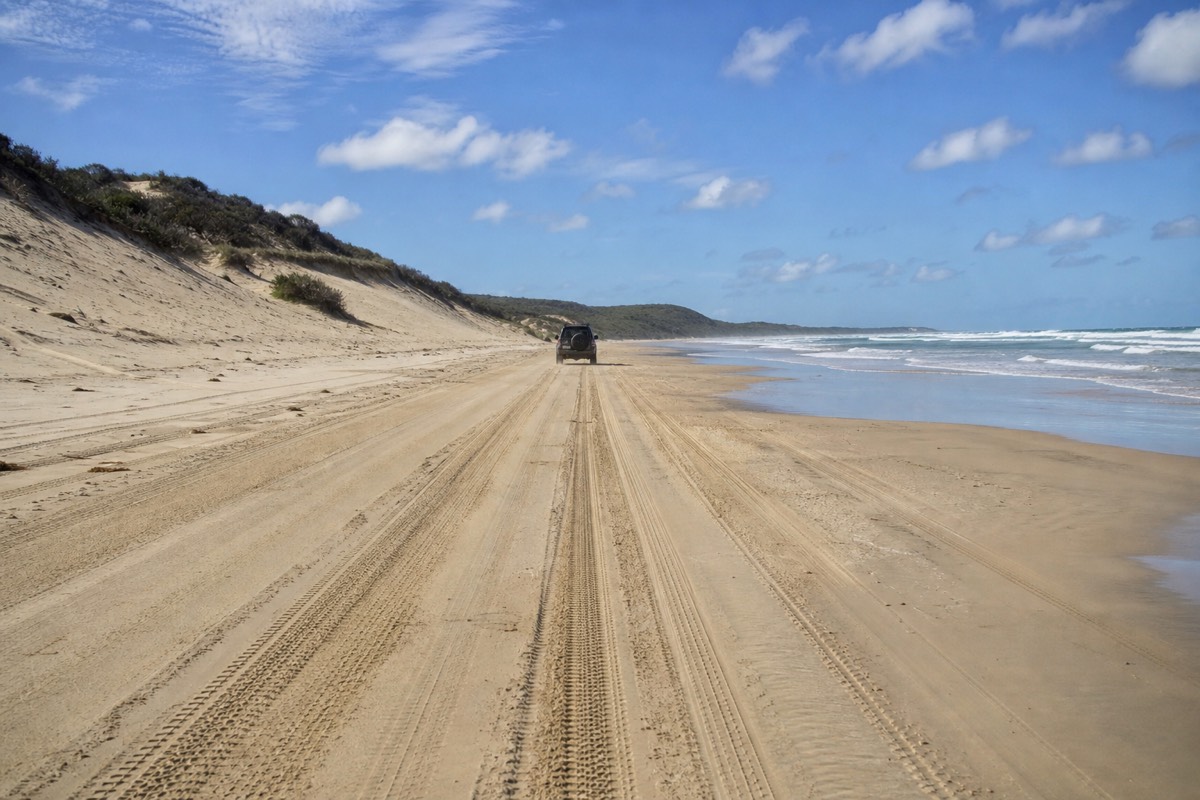
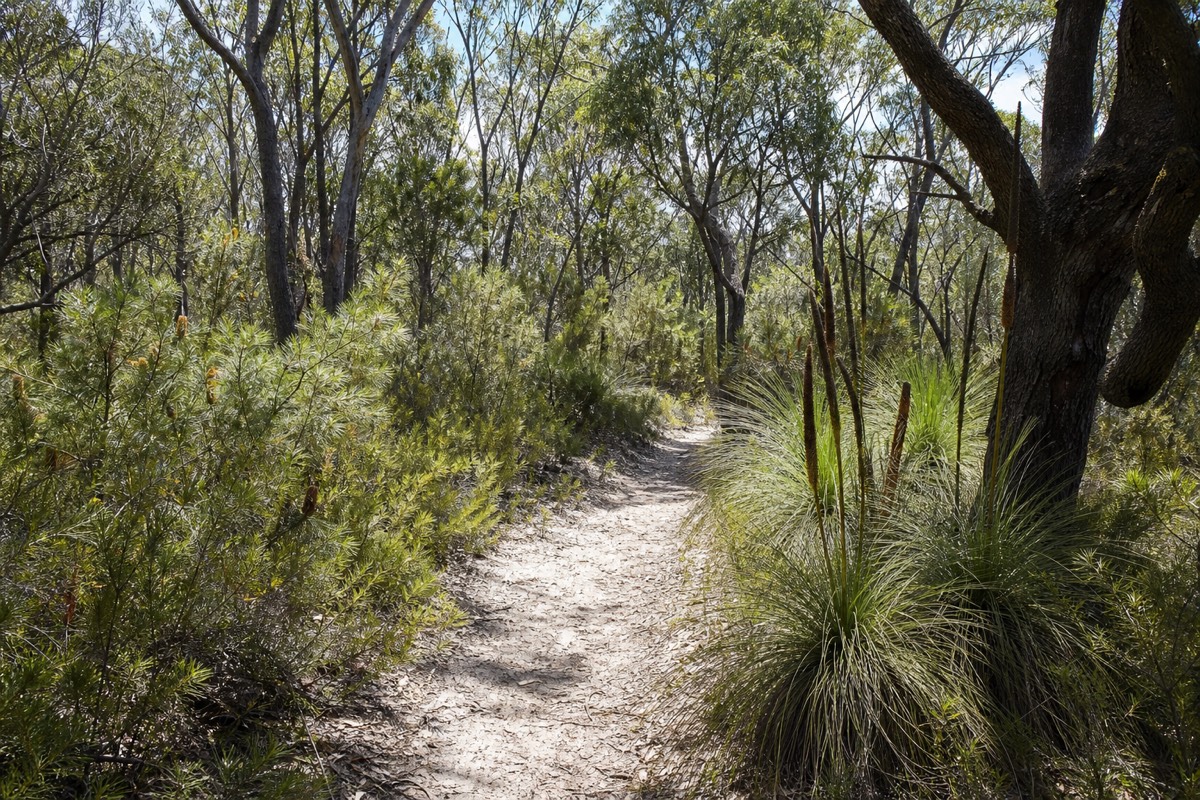
There is no bitumen on Moreton Island. Every track, from the beach highway to the crossing that links the east and west coasts, is soft or firm sand, and that single fact shapes almost everything about visiting independently.
4WD on Moreton Island: permit, hire and guided tour compared
Costs are approximate, per day/trip, 2026 planning figures. Confirm the live vehicle permit fee on the Queensland Parks and Wildlife Service booking platform.
The Quick Answer
You need a low-range 4WD and a vehicle access permit (around $50-70) to drive on Moreton Island; a standard car cannot be brought across on the vehicle ferry at all. If you don't have sand-driving experience, a guided 4WD day tour removes the risk and cost of hiring, permitting and potentially getting bogged, for a price that's often close to what self-driving would cost anyway.
Do You Actually Need A 4Wd For Moreton Island?
Only if you plan to drive yourself. Every track on the island is soft sand, so a 4WD with reduced tyre pressure is mandatory for self-driving, but the majority of visitors never touch a wheel, because they arrive on a guided tour where a driver and permit are already sorted. The real decision isn't "do I need a 4WD to visit the island," it's "do I want to be the one driving it."
What Does The Vehicle Access Permit Cost, And How Do You Get One?
The vehicle access permit typically costs around $50-70 and is bought at the ferry terminal or booked online through the Queensland Parks and Wildlife Service before you travel. It's separate from any camping permit (see our camping guide) and from the ferry fare itself, so budget for it as its own line item.
Confirm the current fee on the Queensland Parks and Wildlife Service booking platform before you travel, since permit pricing is reviewed periodically.
What Are The Main Driving Routes On The Island?
The two routes that matter most: the ocean-side beach highway running along the eastern coast, and Middle Road, the cross-island track connecting the west-coast settlements to the eastern beach. Nearly every self-drive itinerary is some combination of these two.
| Route | What it connects | Surface |
|---|---|---|
| Eastern beach highway | Runs the length of the ocean-facing coast | Firm sand near low tide, soft above the high-water mark |
| Middle Road | Cross-island link, west coast to eastern beach | Soft interior sand and dune tracks |
| North-west tracks | Bulwer, Tangalooma, Cape Moreton approach | Mixed firm and soft sand |
| Blue Lagoon access track | Tangalooma/West Bay to Blue Lagoon | Soft sand, roughly 45-60 minutes each way |
Why Do Tides Matter So Much For Driving?
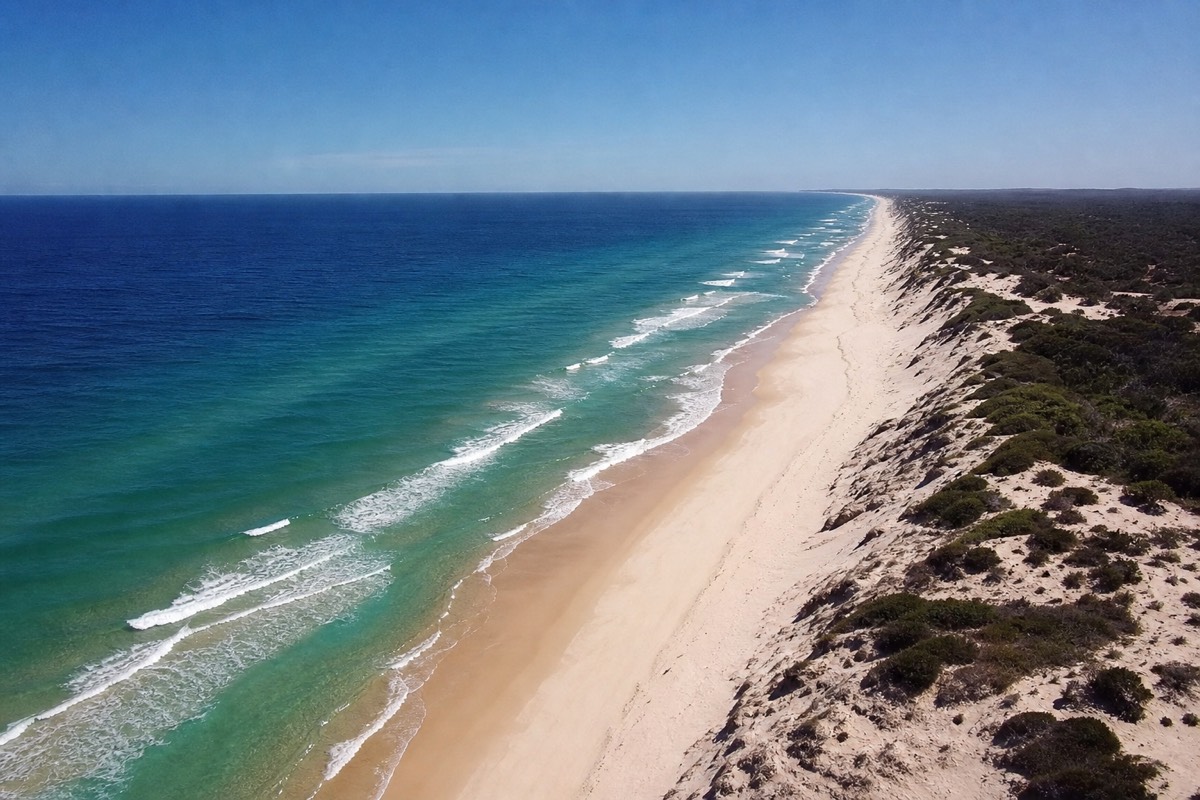
The eastern beach highway is only safely driveable within a window either side of low tide; at high tide the firm sand strip narrows or disappears entirely, leaving soft sand or open water where you'd otherwise drive. Getting the tide window wrong is the single most common reason visitors get bogged or stranded.
Check current tide times from the Bureau of Meteorology before setting out, and plan beach-highway driving legs around low tide rather than around your own schedule. This is exactly the kind of local timing knowledge a guide already carries, which is one of the quieter advantages of a guided 4WD tour over self-driving.
Should You Hire A 4Wd Or Bring Your Own?
Hiring makes sense for most visitors: expect roughly $150-300 a day plus fuel, available at Tangalooma Resort or in Brisbane before you cross, versus the cost and hassle of shipping your own vehicle across on the ferry if you don't already own one suited to sand. Whichever you choose, confirm the rental company allows the vehicle on Moreton Island specifically, since not every hire agreement covers beach and sand-track driving. Still weighing self-driving against a guided day out altogether? See our DIY vs tour comparison.
What Does A Guided 4Wd Tour Replace?
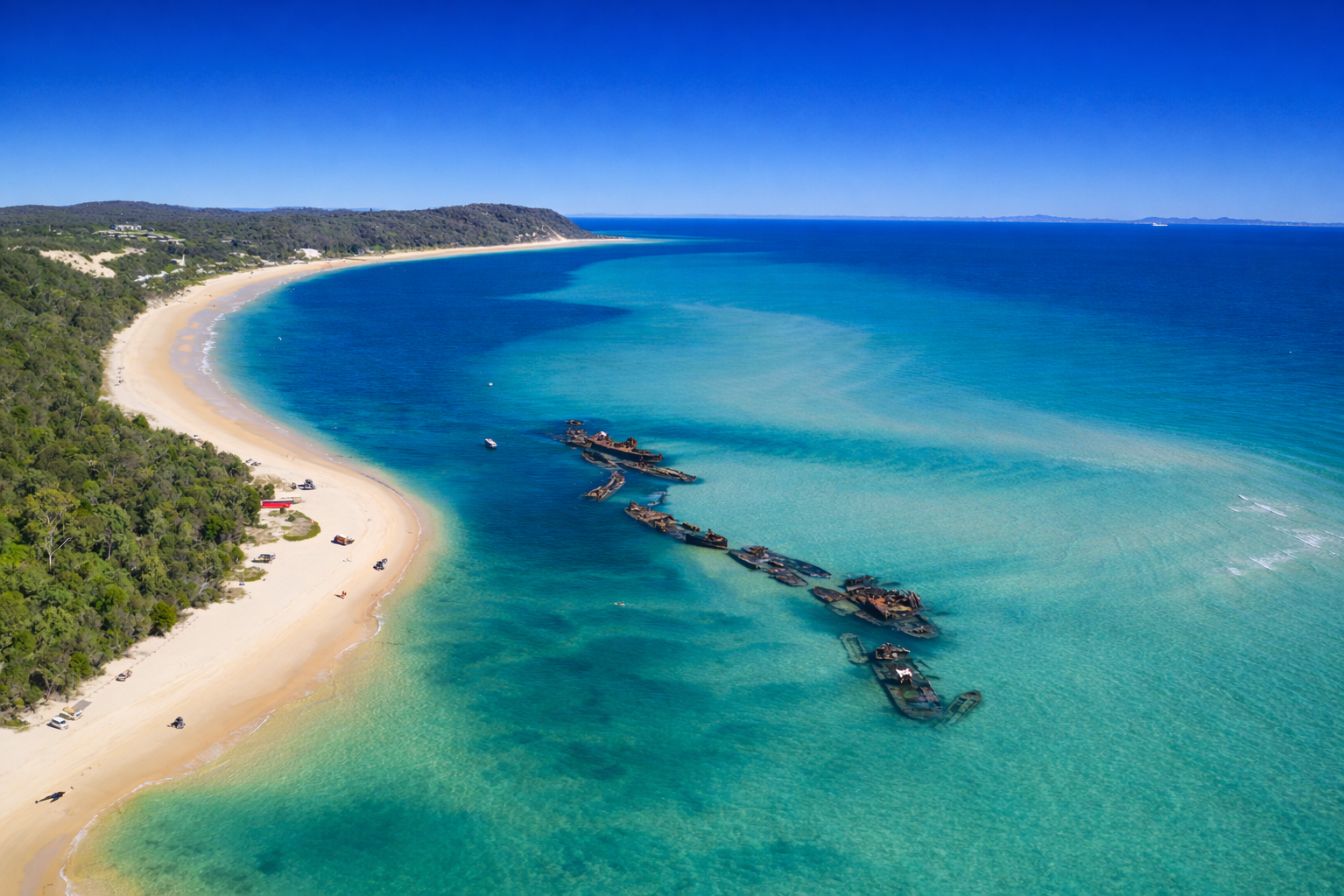
A guided tour bundles the ferry, the vehicle permit, the vehicle itself, an experienced sand driver, and usually the exact route knowledge of tide timing and current track conditions, all into one ticket. For a single day trip, this is very often cheaper and lower-risk than self-driving once you add up hire, fuel and the permit, and it removes the one real hazard of a DIY visit: getting a rental 4WD stuck on a falling tide with no recovery gear.
| Cost item (self-drive, one day) | Typical cost |
|---|---|
| 4WD hire | $150-300 |
| Vehicle access permit | $50-70 |
| Fuel | Variable, budget $30-60 |
| Ferry (vehicle) | $80-120 return |
| Rough self-drive total | $310-550+ |
| Guided 4WD day tour (ferry, permit, guide included) | From ~$136 per person |
Is Self-Driving Dangerous For A First-Timer?
Not dangerous exactly, but genuinely risky for anyone without sand-driving experience: getting bogged on a rising tide, misjudging soft sand transitions, and losing traction on dune tracks are all common, recoverable mistakes that can still ruin a day or damage a rental vehicle. Lower your tyre pressure before you start driving on sand, carry a recovery board and a UHF radio if you're going it alone, and never drive the beach highway on a rising tide without a clear exit plan.
A Worked Example: Driving The Eastern Beach Highway Around The Tide
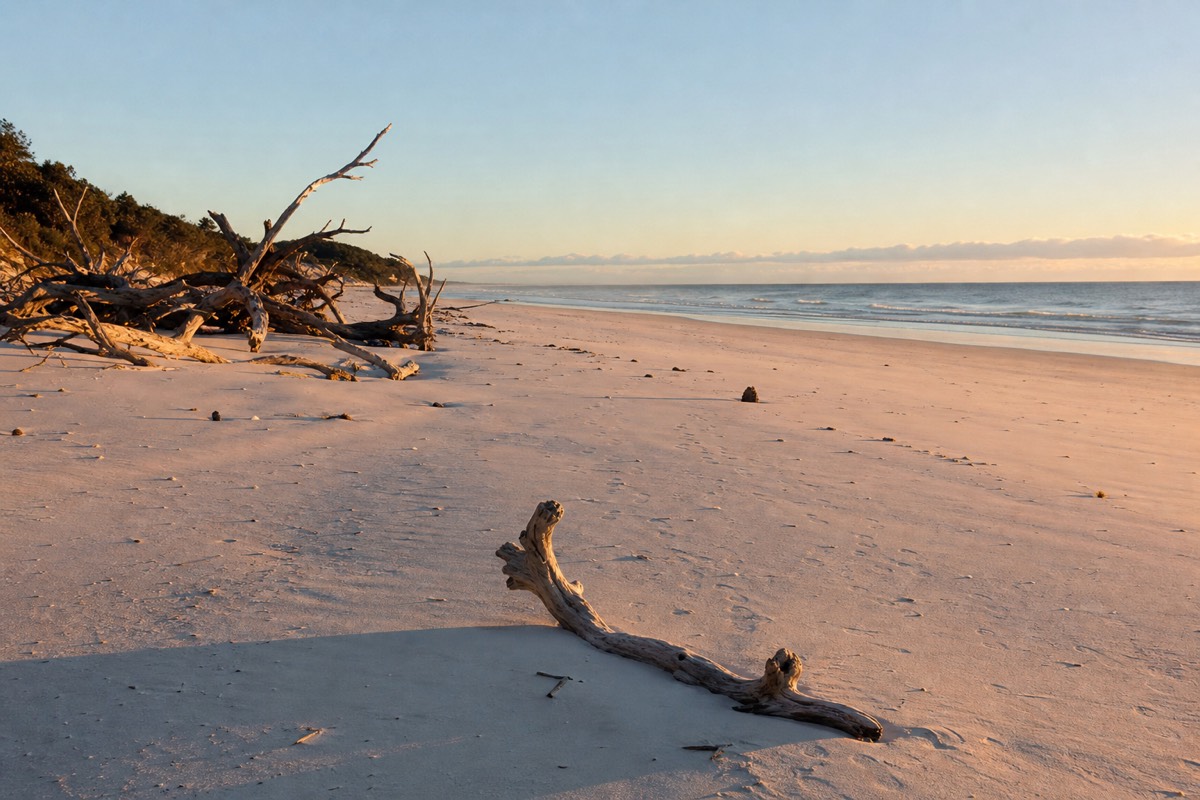
A typical successful run down the eastern beach highway looks like this: check the day's low-tide time the night before, start driving no more than two to three hours either side of low tide, and build in a buffer so a slower-than-expected stretch doesn't leave you caught on a rising tide.
| Tide stage | Beach condition | Driving advice |
|---|---|---|
| 2-3 hours before low | Firming up, wide dry strip appearing | Good driving window opening |
| Low tide | Widest, firmest sand strip | Best driving conditions |
| 2-3 hours after low | Water reclaiming the strip | Fine early in this window, get off the beach before it narrows further |
| Around high tide | Firm strip narrow or submerged | Avoid the beach highway; use Middle Road or wait it out |
What If You Get Bogged?
Getting bogged in soft sand is common enough to plan for rather than panic about: lower tyre pressure further if you haven't already, dig sand away from the tyres and clear a shallow ramp in the direction you want to move, and use a recovery board or traction mat under the drive wheels before trying again gently in low range.
- Lower tyre pressure to around 15-20 psi for sand driving before you start, not after you're stuck
- Avoid wheel-spinning, which digs the vehicle in deeper; ease off and try a shallow-angle recovery instead
- Carry a recovery board, a shovel and a UHF radio if self-driving away from other vehicles
- On a rising tide, prioritise getting off the beach over recovering perfectly; call for help via UHF if genuinely stuck with time pressure
What Should A First-Time Sand Driver Actually Pack In The Vehicle?
| Item | Why it matters |
|---|---|
| Tyre pressure gauge and deflator | Correct sand pressure is the single biggest factor in avoiding a bog |
| Recovery board(s) | Gets a bogged vehicle moving without needing another car to tow |
| Shovel | Clears sand from around wheels before a recovery attempt |
| UHF radio | Mobile signal is patchy; other 4WDs and tour groups monitor UHF channels |
| Extra water and fuel | Sand driving burns more fuel than sealed roads; delays happen |
| Current tide table | The single most important piece of route planning information |
Who Should Skip Self-Driving And Book A Guided Tour Instead?
Anyone with zero sand-driving experience, travelling solo without a second vehicle for backup, or visiting for a single day where a bog or delay would eat into limited time, is better served by a guided 4WD tour than a first attempt at self-driving. This isn't about ability so much as risk versus reward: a single bad tide-timing mistake can cost hours on a trip that only has a handful of hours to give. See our comparison of the main guided tours if you're leaning that way, or the full Moreton Island cost breakdown for how self-drive and guided pricing actually compare.
What License Or Experience Do You Actually Need To Self-Drive?
A standard driver's license is all that's formally required; there's no separate sand-driving certification, but genuine prior experience with soft-sand conditions makes a real difference to how smoothly the day goes, since sand driving handles differently from sealed roads in ways that aren't intuitive on a first attempt. If you've never driven on sand before, treat the first hour on the beach highway as a learning curve, not a race, and consider following another vehicle's tracks rather than breaking new ground on your first run.
Questions Worth Asking A Hire Company Before You Book
| Question | Why it matters |
|---|---|
| Does this vehicle's rental agreement cover Moreton Island specifically? | Not every hire agreement permits beach/sand-track driving |
| Does it include recovery gear (board, shovel)? | Not all hire fleets carry this as standard |
| What's the excess if the vehicle gets bogged or damaged? | Sand driving carries genuine bog risk for inexperienced drivers |
| Is a UHF radio included or available to hire? | Mobile signal is patchy across much of the island |
A Quick Driving-Time Reference For Common Landmark Runs
Pulling together the drive times mentioned across this site's other guides into one reference: most of the island's landmarks sit somewhere between a 45-minute and a genuine half-day round trip from Tangalooma, depending on how far north or how deep into the interior they sit.
| Destination from Tangalooma | Approx. drive time (one way) |
|---|---|
| Blue Lagoon | 45-60 min |
| Interior sandboarding dunes | Short drive within the island's interior |
| Mount Tempest trailhead | Inland drive, 4WD only |
| Champagne Pools / North Point | Genuine half-day round trip |
| Cape Moreton Lighthouse | Furthest landmark; budget a half-day round trip |
A Pre-Departure Checklist Before You Drive Off The Ferry Ramp
Confirm these four things before your wheels touch sand, not after: current tyre pressure lowered for sand, a valid vehicle access permit in hand, today's low-tide time noted, and a recovery board or plan if you don't have one, since the ferry ramp is the last predictable, firm surface you'll see for the rest of the day. Skipping this five-minute check is the single most preventable cause of a rough first hour on the island.
| Check | Why it's the last chance to fix it easily |
|---|---|
| Tyre pressure lowered for sand | Much harder to judge correctly once you're already bogged |
| Vehicle access permit confirmed | Required before driving any island track |
| Today's low-tide time noted | Sets your entire beach-highway driving window for the day |
| Recovery board and shovel on board | Nowhere to buy or borrow one once you're on the sand |
Frequently Asked Questions From First-Time Sand Drivers
- Can I air my tyres back up before leaving the island? Yes, and you should, since driving on sealed roads at sand-driving pressure wears tyres unevenly; most hire companies and some ferry terminals have air stations.
- Is automatic transmission fine for sand driving? Yes, most rental 4WDs handle sand well in either transmission; low-range gearing matters more than manual versus automatic.
- Can two people share the driving across the day? Yes, and it's a reasonable way to manage fatigue on a longer self-drive day, particularly if one person is new to sand driving.
- What happens if I damage a hired vehicle on the sand? Excess and damage terms vary by hire company; confirm this specifically before you drive off, not after something goes wrong.
Does The Type Of 4Wd You Hire Actually Matter?
Yes: a genuine low-range 4WD with reasonable ground clearance handles Moreton Island's sand tracks far better than a soft-roader or all-wheel-drive crossover badged as a "4WD" without true low-range gearing, and rental companies vary in which vehicles they'll actually approve for island driving. Confirm the specific model, not just the "4WD" label, is genuinely suited to soft sand before you book, since this is exactly the kind of detail that turns into a bogged vehicle if it's assumed rather than checked.
Does Experience Elsewhere Translate To Moreton Island Specifically?
Broadly yes, sand-driving fundamentals, tyre pressure, momentum, avoiding sudden steering inputs, carry over from any other soft-sand destination, but Moreton Island's specific tide windows and permit system are local knowledge worth learning fresh rather than assuming your experience elsewhere fully covers. An experienced sand driver arriving from another destination still benefits from reading this guide's tide and permit sections in full, since the mechanics of driving transfer, but the where and when of doing it safely here does not.
The One-Line Version, For Anyone Skimming
Every road here is sand, so a permit and a real 4WD are mandatory to self-drive, tides decide when the beach highway is safe, and a guided tour replaces all of it for a price that's often close to doing it yourself anyway.
So, Do You Need A 4Wd?
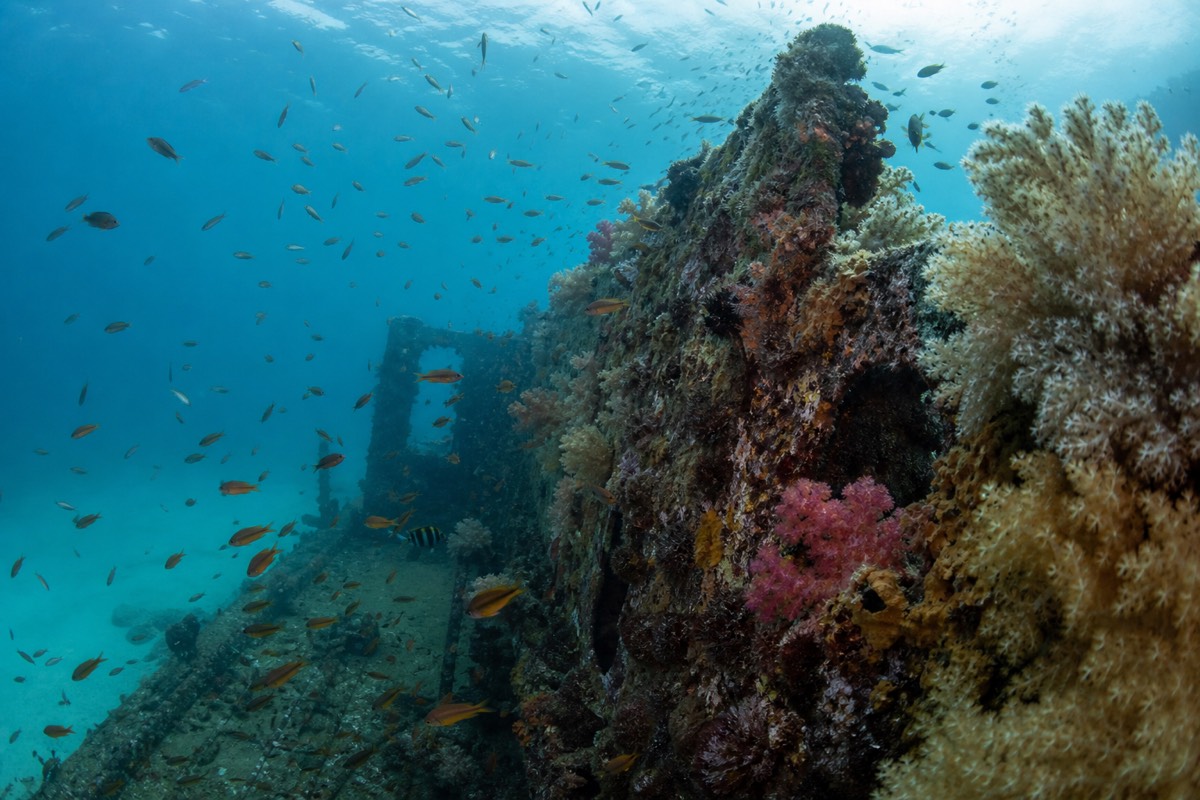
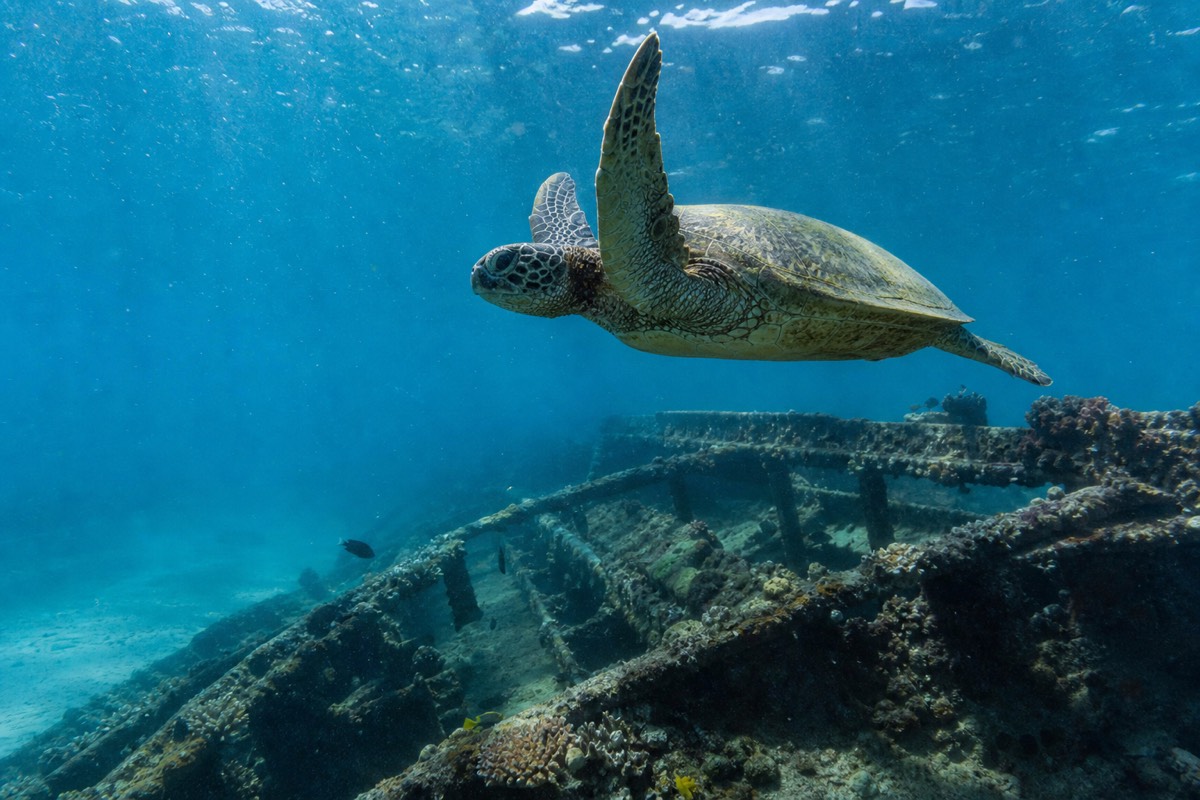
If you're an experienced sand driver with time for a multi-day trip and want full route flexibility, hiring or bringing your own 4WD is worth it. If this is a single-day visit or your first time on Moreton Island, a guided 4WD day tour gets you to the same beaches, dunes and wrecks without the tide-timing risk, and often for a comparable or lower total cost than doing it yourself.