Snorkeling The Tangalooma Wrecks: Solo Vs With A Guide
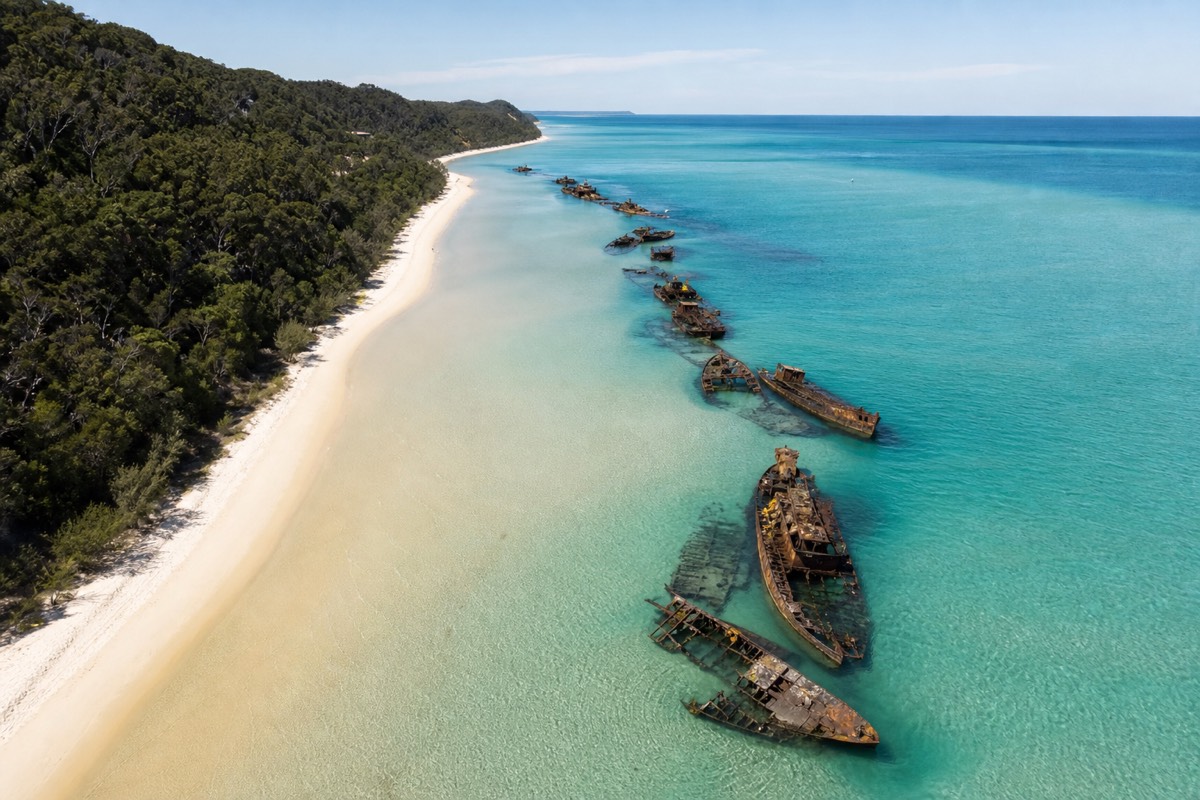
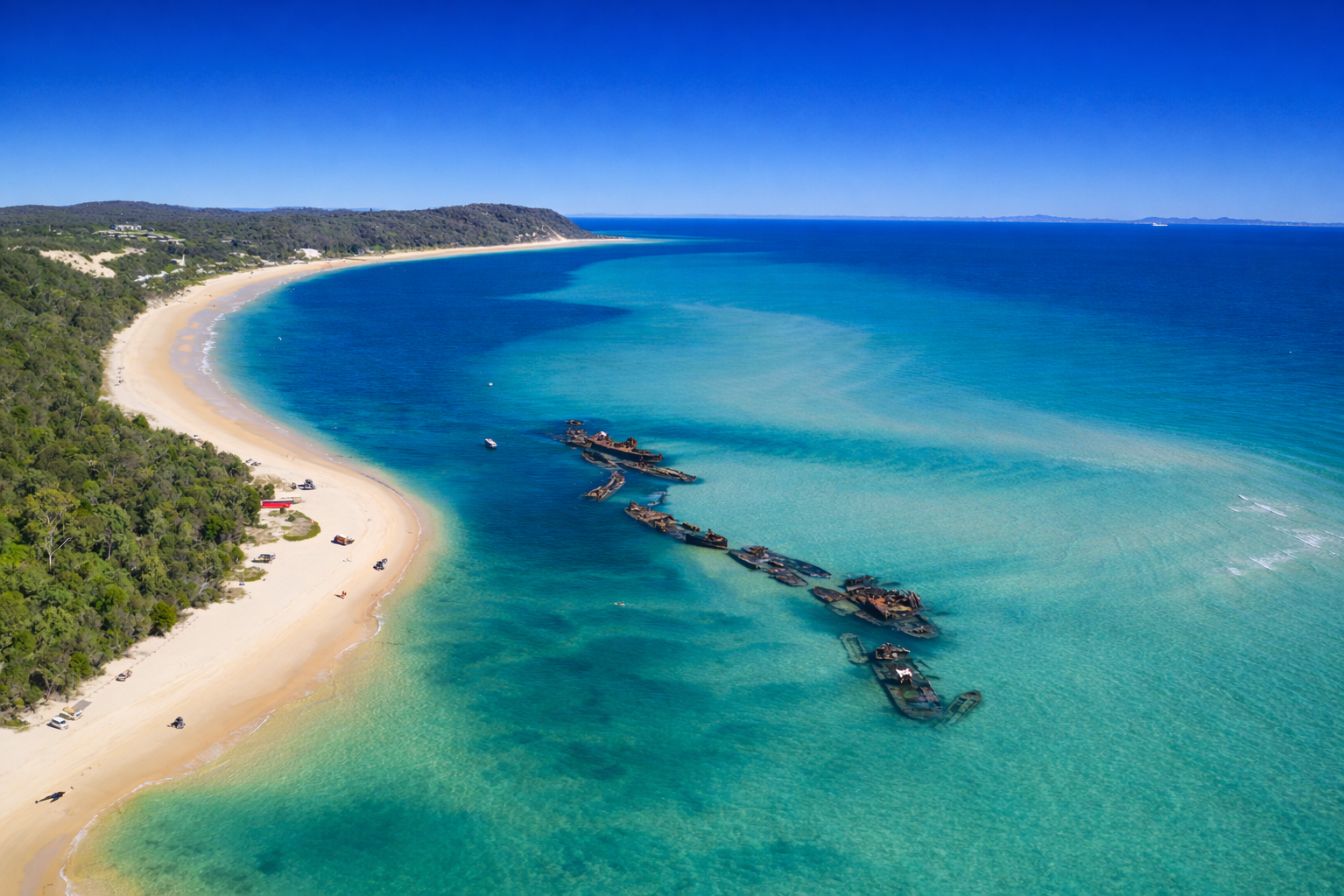
Both paths get you into the same water over the same 15 wrecks. The difference is what happens around the edges: the gear, the safety net, and how much you have to know going in.
Trip planning note: prices, permits, timetables and historical ratings below are estimates or background examples, not current booking quotes. Use the provider calendar for the selected departure and confirm all mandatory fees.
Compare independent preparation with the equipment, marine commentary and guided water session supplied by a cruise. Explore Moreton Wrecks And Wildlife Cruise
Anyone weighing up a Moreton Island trip eventually hits this decision: swim the Tangalooma Wrecks independently from the beach, or book a guided snorkel tour. Both are genuinely valid, and the right call depends less on cost than on your own water confidence.
The Quick Answer
Go solo if you're a confident swimmer who can time the visit around low tide and calm weather, and you're comfortable reading conditions yourself. Book a guided tour if it's your first visit, you're not confident judging currents and tides, or you simply want gear and safety sorted for you without needing to plan around the tide table.
What Solo Snorkeling Actually Requires
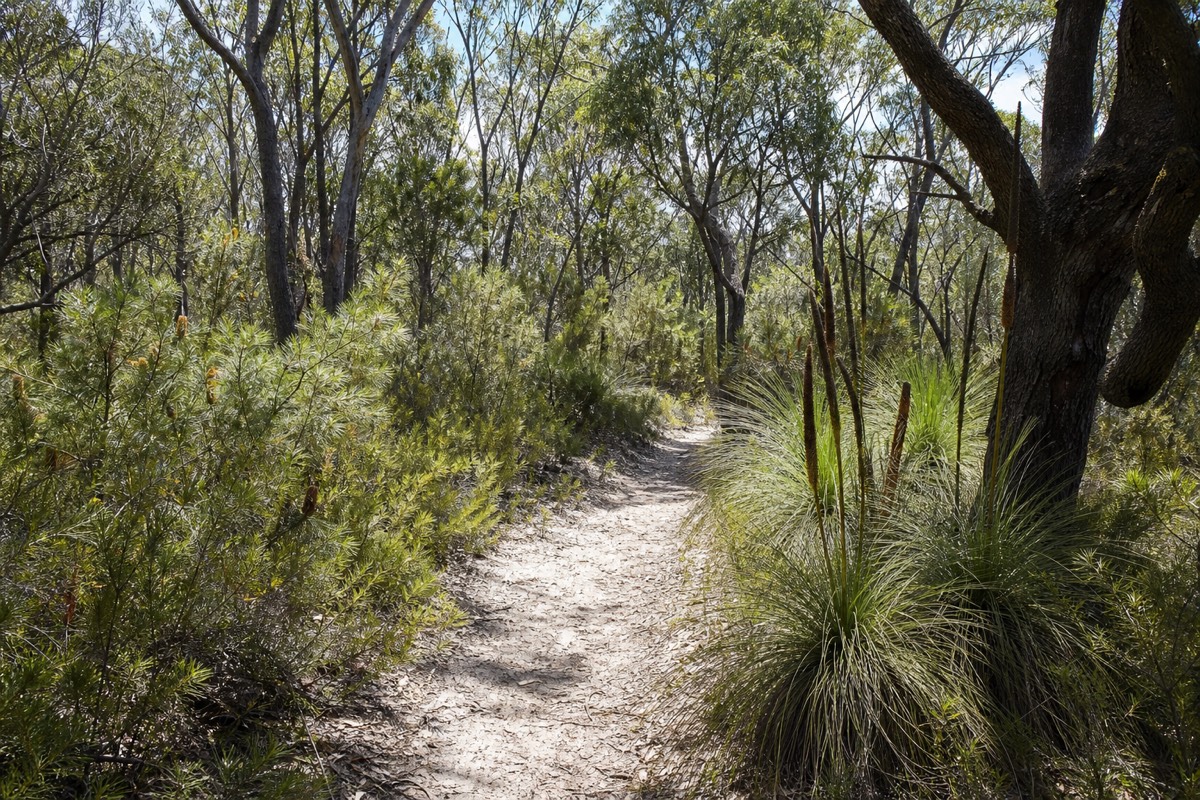
Going it alone means bringing your own mask, snorkel and fins, checking the tide table yourself (the wrecks are most accessible and calmest around low tide), reading the day's wind and swell conditions, and making your own judgement call on when it's safe to get in. None of this is hard for an experienced ocean swimmer, but it's real responsibility that a guided tour simply removes.
What A Guided Tour Adds
Snorkel gear provided, a safety briefing before you get in, a guide who already knows the wrecks and current conditions, and the reassurance of someone else in the water watching out for the group. Guided tours also typically bundle the wreck snorkel with other activities (sandboarding, kayaking, lunch), which changes the value calculation if you're already planning a full day out.

| Solo | Guided | |
|---|---|---|
| Gear | Bring your own | Provided |
| Tide/condition judgement | Your own responsibility | Guide handles it |
| Cost | Free once you're on the island | Bundled into tour price |
| Extra activities | None unless self-arranged | Often includes sandboarding, kayaking, lunch |
| Best for | Confident, experienced snorkelers | First-timers, families, less confident swimmers |
Is Solo Snorkeling Actually Risky?
Not inherently, if you time it right: around low tide, in calm weather, the wrecks are shallow and sheltered enough for confident swimmers to snorkel safely without a guide. The risk shows up when someone snorkels at the wrong tide, in choppier conditions, or without checking beforehand, which is exactly the local knowledge a guide brings by default.
What About Wildlife, Does A Guide Help There Too?
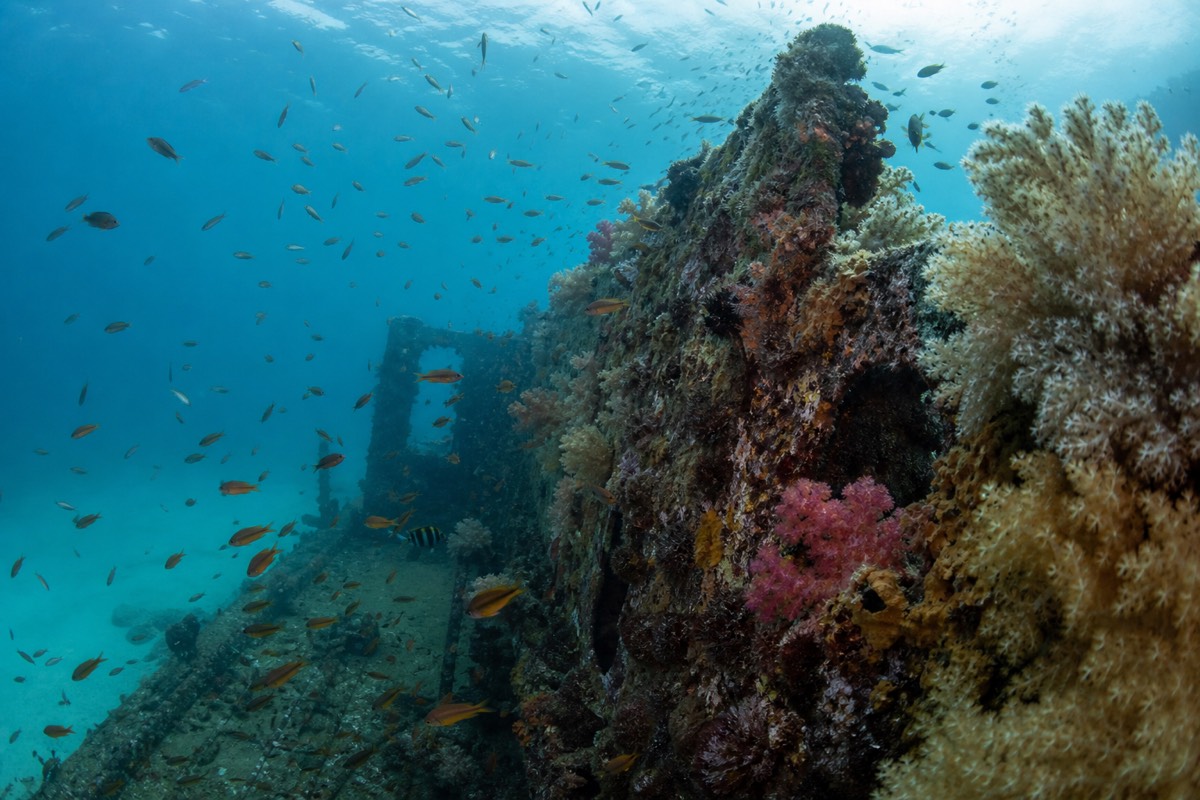
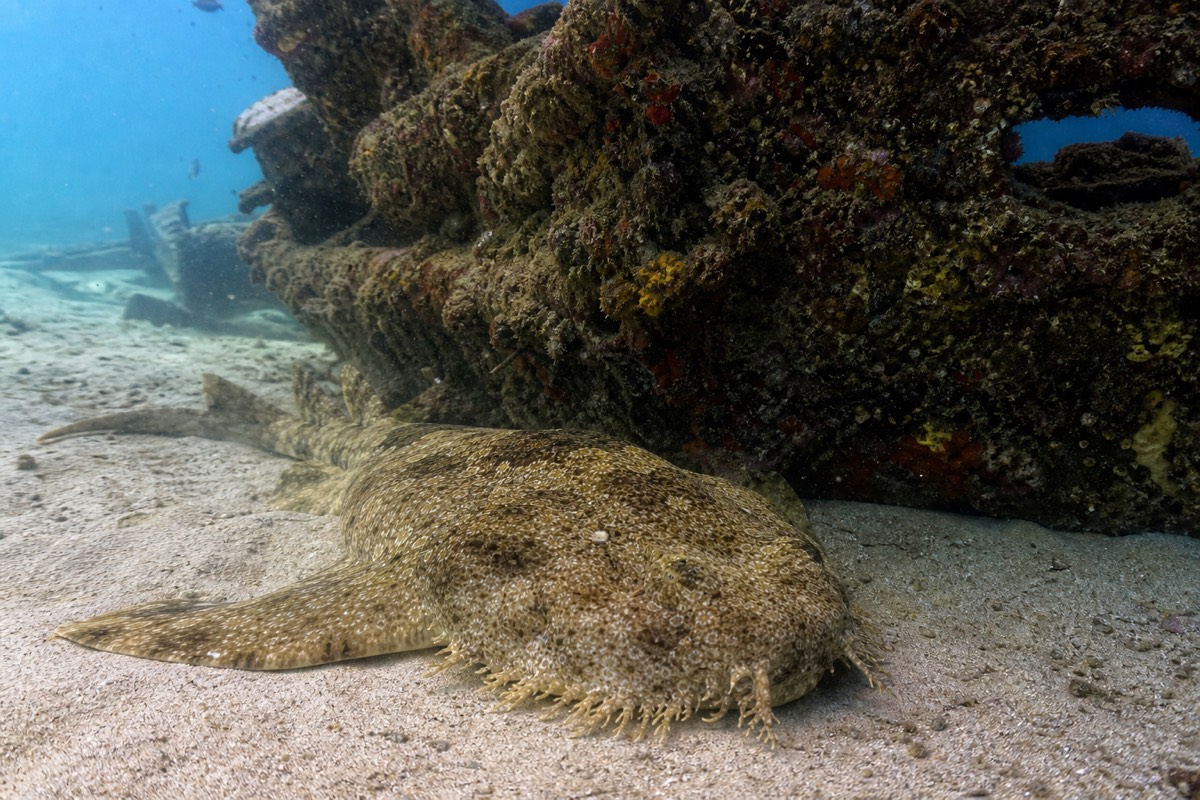
Yes, meaningfully. A guide who snorkels the wrecks regularly knows where wobbegong sharks tend to rest, where turtles are commonly seen, and can point things out you might otherwise swim straight past. Solo snorkelers see the same wrecks, but often see less of the wildlife around them without that local knowledge. See our sharks at the Tangalooma Wrecks answer for what you're likely to encounter either way.
What Does The Actual Cost Difference Look Like?
Solo snorkeling is essentially free once you're on the island, assuming you already own or bring your own gear; the only real cost is the ferry crossing itself. A guided tour bundles gear, safety supervision and usually other activities into a single price, typically starting around $139-200 depending on the operator. For a single, focused wreck visit, solo is cheaper on paper, but a guided tour often delivers considerably more for the extra cost once sandboarding, kayaking or lunch are factored in.
What Do Experienced Solo Snorkelers Actually Do Differently?
Repeat solo visitors consistently mention the same three habits: checking the tide table the night before rather than the morning of, snorkeling with a buddy rather than completely alone, and starting the swim early in the day before wind picks up. None of these require a guide, but they do require the kind of preparation a guide would otherwise handle for you. If you're weighing up the trip in general, our take on whether Moreton Island is worth visiting covers the bigger picture.
Can You Mix The Two Approaches?
Yes. Some visitors join a guided snorkel session for their first visit to learn the layout and current conditions, then return solo on a later trip once they're comfortable. This isn't unusual and works well for anyone planning to visit Moreton Island more than once, treating the guided visit as a genuine orientation rather than a one-off necessity. If getting in the water isn't for you at all, kayaking over the wrecks is a genuinely good alternative way to see the same site.
The Honest Recommendation
If this is your first time at the wrecks, book a guided tour. It removes the tide-and-conditions judgement call, supplies gear, and usually comes with other activities bundled in for a comparable price to arranging everything solo. If you already know the wrecks, are a strong swimmer, and want a quieter, self-paced visit, going solo around low tide is a genuinely good option too.