Kayaking The Tangalooma Wrecks
Not everyone wants to get in the water to see the wrecks. Kayaking over them, especially in a clear-bottom kayak, gives you almost the same view from a drier seat.
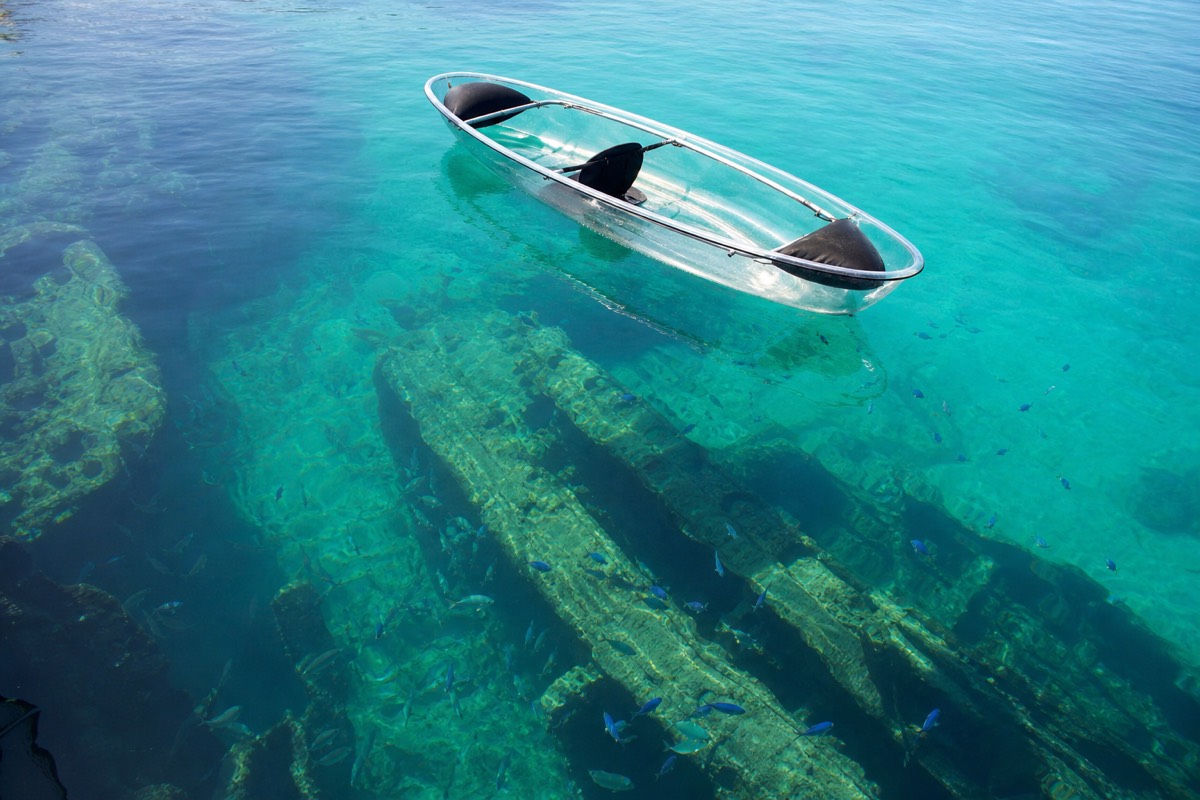
Kayaking over the Tangalooma Wrecks is one of the quieter ways to experience them, better suited to anyone who wants to see the shipwrecks and the fish life around them without swimming, or as a change of pace after snorkeling.
The guided adventure day combines transparent kayaking with a snorkel session and sandboarding, so you can try both views of the wrecks. Explore Kayak, Snorkel And Sandboard
The Quick Answer
Kayaking the Tangalooma Wrecks means paddling directly over the sunken hulls in shallow, sheltered water, with some tours using transparent kayaks so you can see the wrecks and fish through the hull without getting in. It's included on the kayak, snorkel and sandboarding day tour and the dolphin watching and Tangalooma snorkel cruise, either as an alternative to snorkeling or alongside it.
What's It Actually Like?
The water over the wrecks is shallow and calm, sheltered by the wreck line itself, which makes for genuinely easy paddling rather than open-water kayaking. From a standard kayak you get a clear surface view down onto the hulls and surrounding fish life; from a transparent-hull kayak, offered on some tours, you get a much closer look straight through the floor of the boat, which is especially good for spotting fish schooling directly beneath you.
Which Tours Include Kayaking?
The kayak, snorkel, wrecks and sandboarding day tour includes transparent kayaking specifically to spot marine life from above the water, as part of a broader day that also covers snorkeling and sandboarding. The dolphin watching and Tangalooma snorkel cruise also includes stand-up paddleboarding and kayaking as part of its beach-time segment.
Do You Need Any Experience To Kayak Here?
Prior paddling experience is not always required on a guided trip, but wind, current and individual ability matter. The adventure operator supplies instruction and sets participation restrictions; confirm swimming confidence and children’s eligibility before booking.
Kayaking Vs Snorkeling: Which Should You Choose If You Can Only Do One?
Snorkeling gets you closer, literally in the water among the fish and structure, while kayaking keeps you dry and gives a wider, calmer overview, especially valuable in a transparent-hull kayak. Many tours simply include both, so you don't have to choose; if your tour only offers one, snorkeling is the more immersive option, kayaking the more accessible one. If you're leaning toward snorkeling, our solo vs with a guide comparison covers that decision in more depth.

What Will You See From The Kayak?
The wreck hulls themselves, schools of reef fish gathering around the structure, and depending on the day, turtles or rays passing beneath. Wobbegong sharks resting on the seabed are harder to spot from a kayak than while snorkeling directly above them, so if spotting wildlife specifically is your priority, pair kayaking with a snorkel session on the same trip where the tour allows it.
Is Kayaking Here Suitable For Kids?
Some guided kayaking trips accept children, with age and supervision rules set by the operator. Water conditions can change; do not assume every child is eligible. It's often the activity younger children enjoy most on a Moreton Island day, since it doesn't require swimming confidence or comfort putting their face in the water the way snorkeling does.
Do You Need To Be Fit To Kayak The Wrecks?
The paddling session can suit beginners, but it is an outdoor water activity requiring physical effort. Conditions and the operator’s health restrictions determine suitability. It's a noticeably lower-effort activity than sandboarding or an extended snorkel session, which makes it a good pacing choice partway through a longer, more active day.
What's The Best Time Of Day To Kayak Over The Wrecks?
Morning, for the same reason it's the best time to snorkel: calmer water before the typical afternoon sea breeze picks up, and clearer visibility down through the kayak's transparent hull if you're using one. Overcast conditions can actually reduce glare on the water's surface, which some paddlers find makes the view through a clear-bottom kayak even better than in full sun.