Tangalooma Dolphin Feeding: What To Know Before You Book
Wild bottlenose dolphins have come into the shallows at Tangalooma to be fed by hand nearly every evening for decades, and it's one of the most searched things about Moreton Island. It's also one of the most misunderstood: the hands-on part of this experience is not automatically available to everyone who shows up. Here's the honest version.
Trip planning note: prices, permits, timetables and historical ratings below are estimates or background examples, not current booking quotes. Use the provider calendar for the selected departure and confirm all mandatory fees.
Choose a package with explicit feeding access, then decide whether you want guided snorkeling or a boat-based marine discovery cruise. Explore Tangalooma Snorkel And Dolphin Feeding
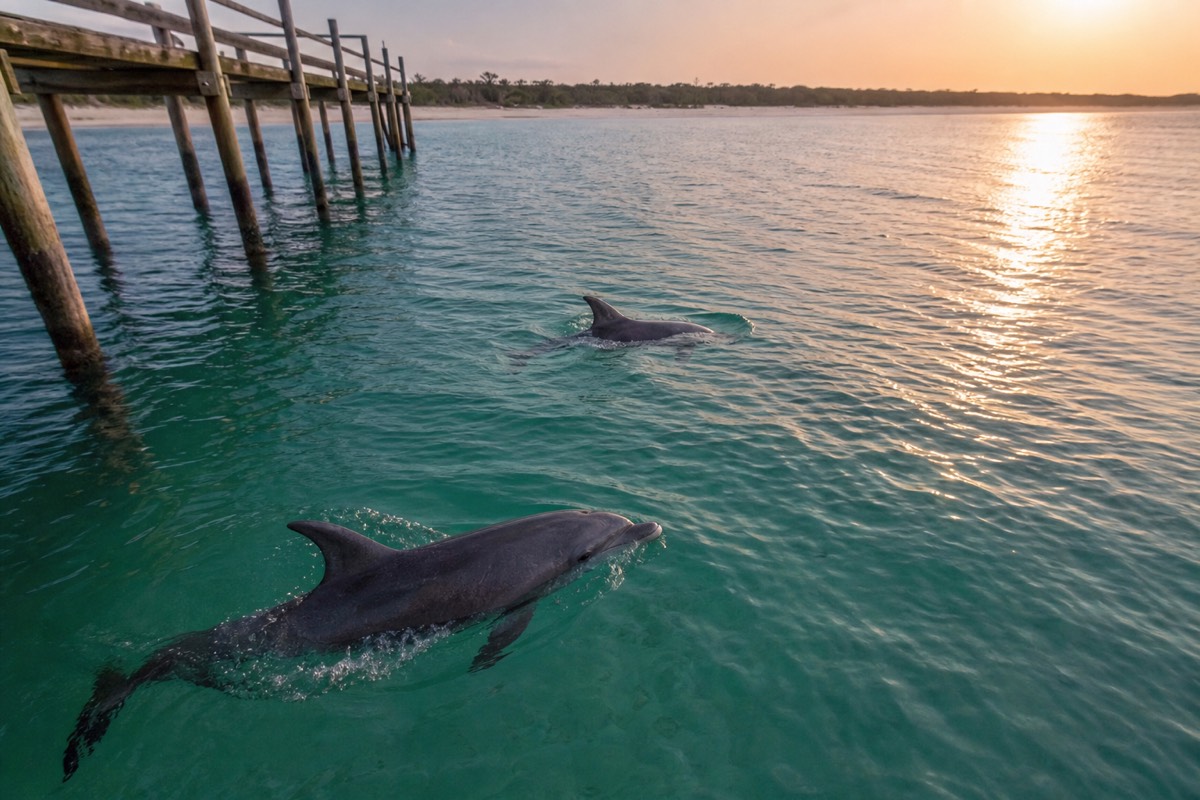
The nightly dolphin feeding at Tangalooma is one of Moreton Island's genuine, long-running attractions: wild bottlenose dolphins, not captive animals, choosing to come into shallow water at the resort beach to be hand-fed by trained staff, most evenings, as they have for decades. It's also the single Moreton Island activity where the fine print matters most.
The Quick Answer
The Tangalooma dolphin feeding is real, wild and has run for decades, but hands-on feeding is restricted: it's typically a Tangalooma Island Resort overnight-guest entitlement, or included on specific official day-cruise packages. Casual day-trippers and people staying in private, non-resort accommodation on the island can generally watch the feeding from the jetty or beach, but should not assume they can personally hand-feed a dolphin without checking their specific booking first.
How Does The Dolphin Feeding Actually Work?
Wild bottlenose dolphins swim into the shallow water beside the Tangalooma jetty most evenings around dusk, where trained resort staff hand-feed them small amounts of fish under close supervision, and eligible guests can take part in the hand-feeding itself under that same staff guidance. Nothing about it is staged in the sense of captive performance; the dolphins are free to come or not, which is also why attendance on any given evening is never guaranteed.
Who Can Actually Hand-Feed The Dolphins?
This is the detail that trips people up: direct hand-feeding is typically an entitlement reserved for guests staying overnight at Tangalooma Island Resort, or for visitors on specific official day-cruise packages that include it. Casual day-trippers and people staying in private, non-resort accommodation elsewhere on the island are generally not automatically eligible to hand-feed, even if they're on the island that evening. This is confirmed directly in the operator's own listing information for one of the tours on this site, the Tangalooma quad bike and helicopter day tour, whose own FAQ states plainly: guests on that day tour "have access to watch the experience from the jetty, but direct feeding is typically a separate resort guest entitlement."
| Visitor type | Can watch the feeding | Can hand-feed |
|---|---|---|
| Overnight Tangalooma Resort guest | Yes | Typically yes, as a resort guest entitlement |
| Official day-cruise passenger (feeding included) | Yes | Only if the specific package includes it, confirm before booking |
| Day-trip visitor on a non-feeding-inclusive tour | Yes, from the jetty/beach area | Typically no |
| Private (non-resort) accommodation guest | Yes, if on the island that evening | Typically no |
If hand-feeding the dolphins yourself is the whole reason for your trip, confirm this explicitly with whichever operator you book, or with Tangalooma Island Resort's own dolphin feeding page, rather than assuming any Moreton Island tour automatically includes it.
What Can Day-Trippers Actually Expect To See?
Even without hand-feeding access, day visitors can typically watch the dolphins arrive and feed from the jetty or the beach viewing area at close range, which for most people is still a genuinely memorable wildlife encounter even without touching the water themselves. On tours that run into the evening, this viewing window is often built directly into the itinerary as a closing activity before the return ferry.
What Time Does The Feeding Happen?
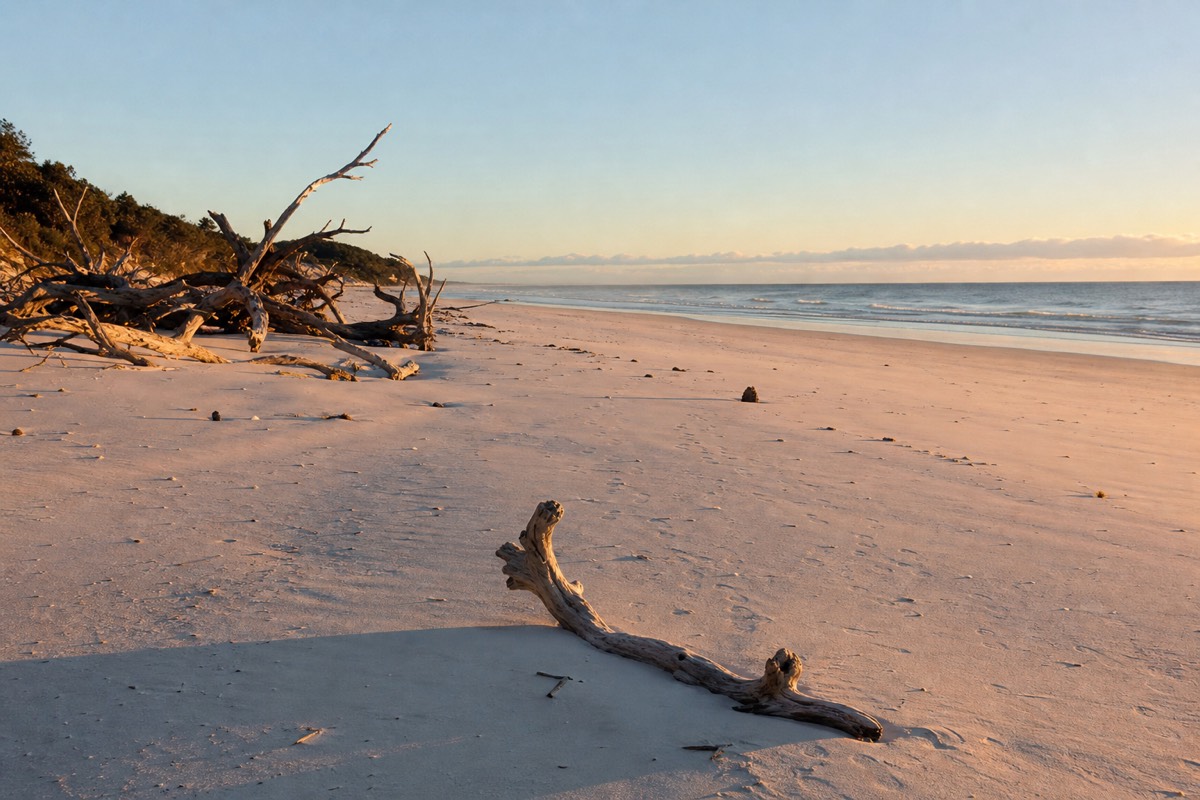
Generally around dusk, with the exact time shifting through the year with sunset; evening-inclusive day tours schedule their return ferry around it, so the timing on a given day is really set by the season and your tour's own itinerary rather than a single fixed clock time.
Is It Worth Going Out Of Your Way For?
If you can secure hand-feeding access, most people who do it call it a highlight of the trip; if you can only watch, it's still a strong wildlife encounter, but worth weighing against the honest expectation before you book a tour specifically for it. We take the "is it worth it" question on directly, with the access restriction front and centre, in dolphin feeding at Tangalooma: is it worth it.
Are There Other Ways To See Dolphins On Moreton Island?
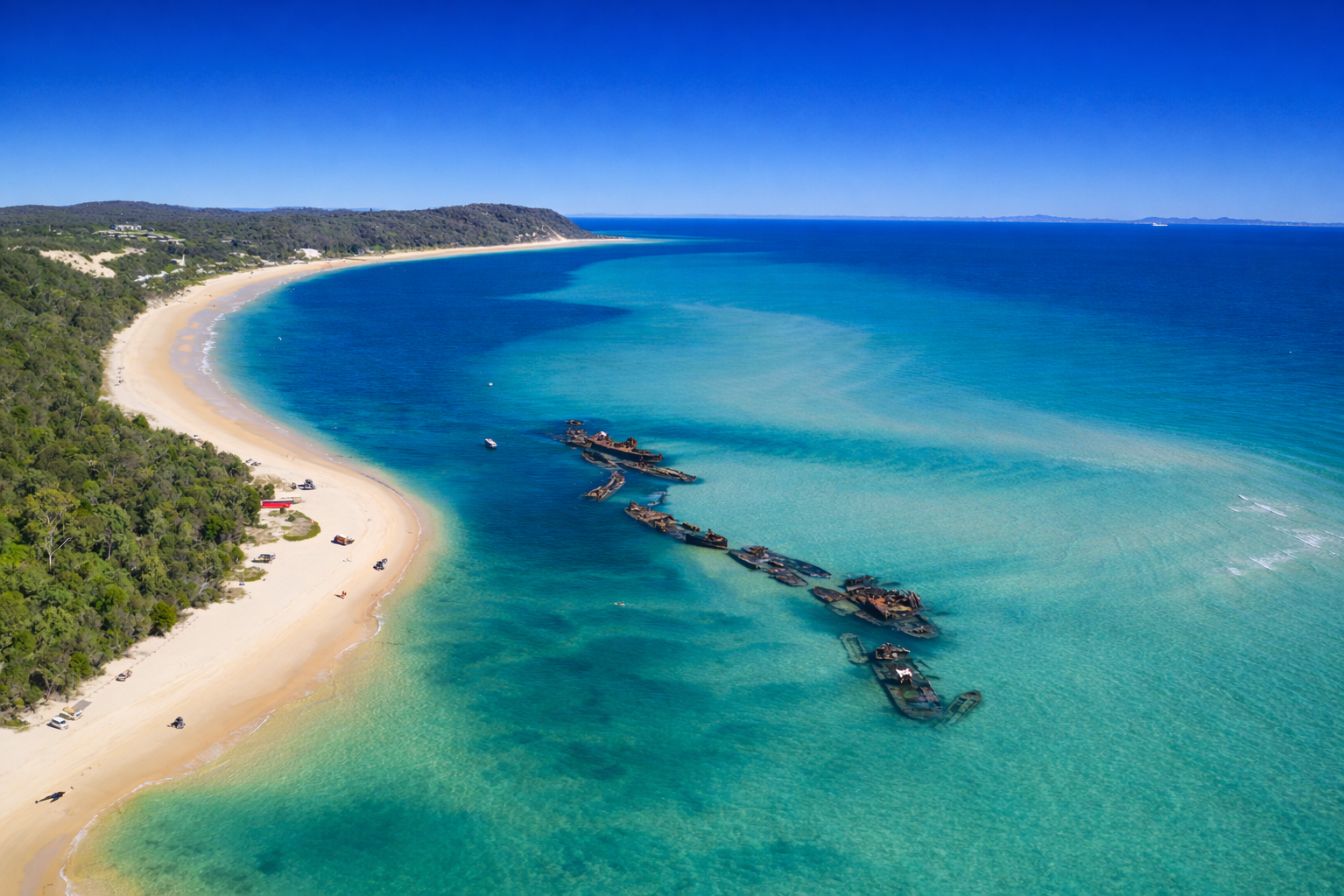
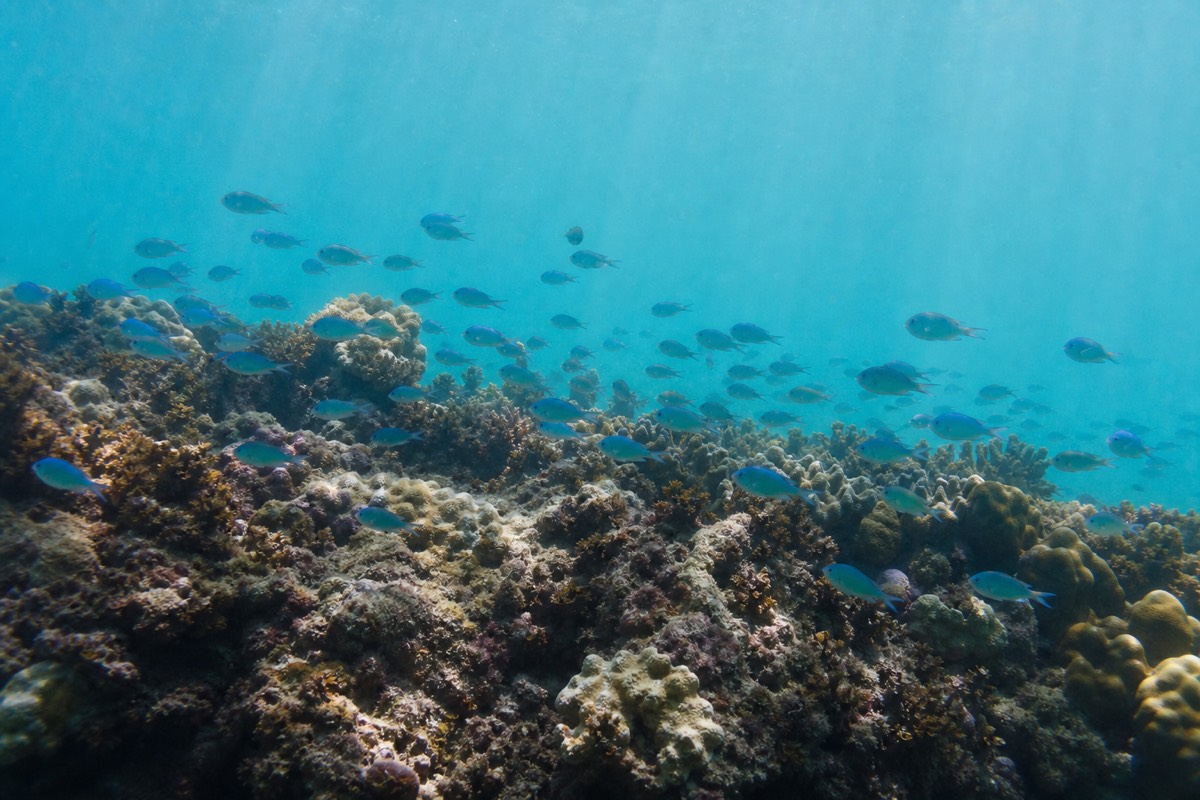
Yes. Boat-based tours regularly spot wild bottlenose dolphins in open water around the Tangalooma Wrecks and across Moreton Bay, independent of the resort's evening feeding program, which is a genuine alternative if hand-feeding access isn't available on your trip. See our Moreton Bay Marine Park and wildlife guide for the fuller picture of what else you might see, including dugongs and turtles.
How Eligibility Actually Gets Decided In Practice
Resort staff manage feeding access on the night, based on the guest list and any specific package inclusions rather than a first-come, first-served queue, which means arriving early to the jetty secures you a good viewing position but does not by itself grant hand-feeding access if your booking doesn't include it. This is worth understanding before you go, since the natural instinct on the night is to assume physical presence equals eligibility, and that isn't how the program is actually run.
| Question to ask before booking | Why it matters |
|---|---|
| Does my accommodation include resort-guest status? | Determines default hand-feeding eligibility |
| Does my day tour explicitly list dolphin feeding as an inclusion? | Some day tours include it, most only include viewing |
| What time does the feeding typically run on my travel dates? | Shifts with sunset through the year |
| Is feeding guaranteed, or dependent on the dolphins showing up? | It's a wild encounter; attendance is never 100% guaranteed |
What Does The Feeding Process Actually Look Like For Those Who Are Eligible?
Eligible guests line up at the water's edge under staff supervision, receive a small portion of fish to hand to a dolphin as it approaches, and follow specific handling instructions (no touching beyond the guided handoff, no chasing or grabbing) designed to keep the interaction safe and low-stress for the animals. The whole process is calm and brief rather than an extended hands-on session, closer to a carefully managed wildlife interaction than a petting-zoo experience.
Why Does This Restriction Exist In The First Place?
Limiting hands-on access protects the dolphins from over-feeding, stress and habituation risk that would come with unrestricted public contact, while still allowing a managed, sustainable version of the encounter to continue for decades running. It's a conservation and animal-welfare control, not an arbitrary revenue mechanism, even though it does functionally add value to a resort stay.
What Does It Actually Cost To See Or Take Part In The Feeding?
There's no separate ticket price for watching from the jetty as a day visitor already on the island; hand-feeding access is bundled into whichever accommodation or day-cruise package includes it, rather than sold as its own add-on. On this site, the tours most associated with the evening feeding are the dolphin watching and Tangalooma snorkel cruise, and the quad bike and helicopter tour, which lists a notably longer 24-hour duration than the site's other single-day options, so its inclusions are worth reading specifically rather than assuming it matches a standard day trip.
| Option | Typical price | Feeding access |
|---|---|---|
| Moreton Island Dolphin Watching & Tangalooma Snorkel Cruise | ~$200 | Confirm current inclusions with the operator before booking |
| Tangalooma Quad Bike & Helicopter Tour (24-hour listing) | ~$292 | Confirm current inclusions; longer format than the site's day tours |
| Overnight Tangalooma Resort stay | Set by the resort directly, not this site | Hand-feeding is typically a resort-guest entitlement |
Does The Feeding Time Shift Through The Year?
Yes, since it runs around dusk and Queensland's sunset time moves by well over an hour across the year, the practical feeding window sits noticeably earlier in winter evenings than in the long daylight of summer. Evening-inclusive tours build their return-ferry timing around this shift rather than a fixed clock time, which is worth knowing if you're trying to plan a day around catching it.
| Season | Roughly when dusk falls |
|---|---|
| Summer (Dec-Feb) | Later evening, closer to 7:00-7:30pm |
| Autumn (Mar-May) | Shifting earlier through the season |
| Winter (Jun-Aug) | Earliest, often before 5:30-6:00pm |
| Spring (Sep-Nov) | Shifting later again toward summer |
What Should You Bring To A Dolphin Feeding Viewing?
A light layer for the cooler dusk air, closed shoes for the jetty boards, and a camera or phone that handles low light reasonably well, since the feeding happens in fading evening light rather than full sun. Flash photography near the water can startle the dolphins and is generally discouraged by resort staff, so a camera that copes with available light is worth more here than a flash.
| Item | Why it helps |
|---|---|
| Light jacket or jumper | Evening air cools quickly, even after a warm day |
| Closed, non-slip shoes | Jetty boards can be damp and uneven underfoot |
| Camera without forced flash | Low evening light; flash near the water can disturb the dolphins |
| Patience | It's a wild encounter; dolphins occasionally don't show on a given evening |
Common Misunderstandings About The Tangalooma Dolphin Feeding
| What people assume | What's actually true |
|---|---|
| "Any day visitor can hand-feed a dolphin" | Typically a resort-guest or specific-package entitlement, not automatic |
| "It's a staged, captive show" | The dolphins are wild and free to come or not; nothing is captive |
| "It happens at a fixed time every night" | Timing shifts with sunset through the year |
| "Arriving early guarantees feeding access" | Eligibility is set by your booking, not queue position |
Can A Standard Day Trip's Return Time Actually Catch The Feeding?
Not always. Most standard day tours return to Brisbane on afternoon sailings between roughly 3pm and 5pm, which lines up with dusk in winter but misses it entirely in summer, when the sun doesn't set until closer to 7:30pm; this is exactly why the feeding is realistically an evening-inclusive tour, an overnight resort stay, or a winter day-trip advantage rather than something every standard itinerary reaches. If seeing the feeding matters to you and you're booking a standard day tour rather than an evening-specific one, a winter visit genuinely improves your odds of the timing lining up naturally.
| Season | Standard day-tour return time | Roughly when dusk falls | Do they overlap? |
|---|---|---|---|
| Summer (Dec-Feb) | ~3:00-5:00pm departure from the island | ~7:00-7:30pm | No, dusk falls after most day-trippers have left |
| Winter (Jun-Aug) | ~3:00-5:00pm departure from the island | ~5:30-6:00pm | Possible, if your specific sailing runs toward the later end |
This is one of the more overlooked planning details about the feeding: it's not just about which tour you book, but whether your season and your specific return sailing happen to land late enough to catch it at all. See our ferry guide for the fuller return-sailing timetable this is based on.
What Has Kept This Program Running For Decades?
The combination of a genuinely wild, unforced animal behaviour and a carefully managed, restricted human side of the interaction is what has let the Tangalooma feeding continue for decades without the welfare problems that unrestricted public contact would eventually cause. Limiting who can hand-feed, supervising every interaction, and keeping the dolphins' participation entirely voluntary are all part of the same underlying design: a wildlife encounter built to last rather than one optimised purely for visitor volume in any given season.
That's also the honest answer to why the access restriction exists at all, covered earlier in this guide: it isn't red tape for its own sake, it's the specific trade-off that has kept a wild, non-captive dolphin encounter running on the same stretch of beach for far longer than a less controlled version of the same idea likely would have.
Frequently Asked Practical Questions
- Can you photograph the feeding? Yes, though flash near the water is generally discouraged; a camera that handles low evening light works best.
- Is the feeding cancelled in bad weather? It can be affected by rough conditions, since the dolphins' own behaviour and staff safety both factor in; treat any specific evening as never fully guaranteed.
- Do the dolphins ever not show up? Yes, occasionally; they are genuinely wild and free to choose not to come in on a given evening.
- Is there a minimum age to watch from the jetty? No minimum age applies to watching; hand-feeding eligibility depends on your booking type, not age, beyond basic safety supervision for young children.
What's The Most Honest Way To Set Expectations Before You Go?
Treat hand-feeding access as a bonus to confirm rather than a default to assume, and treat the viewing experience itself as the real, guaranteed part of the evening: even visitors who can't feed a dolphin themselves consistently describe watching wild animals choose to approach a jetty at close range as worth the wait, regardless of whether they got to touch one. Booking with accurate expectations, rather than assuming the best-case scenario applies to every ticket, is the single biggest factor in whether this ends up feeling like a highlight or a letdown.
How Does This Compare To Wildlife Encounters Elsewhere On The Island?
The dolphin feeding is unusual among Moreton Island's wildlife experiences specifically because it offers the possibility of direct contact, however restricted, where everything else on the island, the wrecks' turtles and wobbegongs, the marine park's dugongs, the offshore whales, is strictly observation-only by comparison. That's exactly why the access rules matter so much here and nowhere else on this site: it's the one wildlife encounter where "watching" and "touching" are genuinely different tiers of experience, rather than a distinction without a difference.
What's The Takeaway For Anyone Booking Primarily For This Experience?
Call the operator or read the listing's fine print specifically for the words "hand-feeding" or "feeding included" before assuming a tour delivers it, and treat any tour that doesn't explicitly promise it as a viewing experience only, not a hands-on one. That one check, made before booking rather than discovered on the jetty, is the difference between an accurate expectation and a disappointing surprise on an otherwise memorable evening.
The Honest Summary
The Tangalooma dolphin feeding is a real, decades-running wild-dolphin encounter, not a marketing exaggeration. The part to get right before you book is expectations: check whether your specific tour or accommodation includes hand-feeding access, and if it doesn't, plan to enjoy it as a close-range viewing experience rather than assuming you'll be in the water with the dolphins yourself.