Whale Watching Moreton Island
Humpback whales pass close enough to Moreton Island during their annual migration that several tours here report sightings directly from the boat, no dedicated whale-watching charter required.
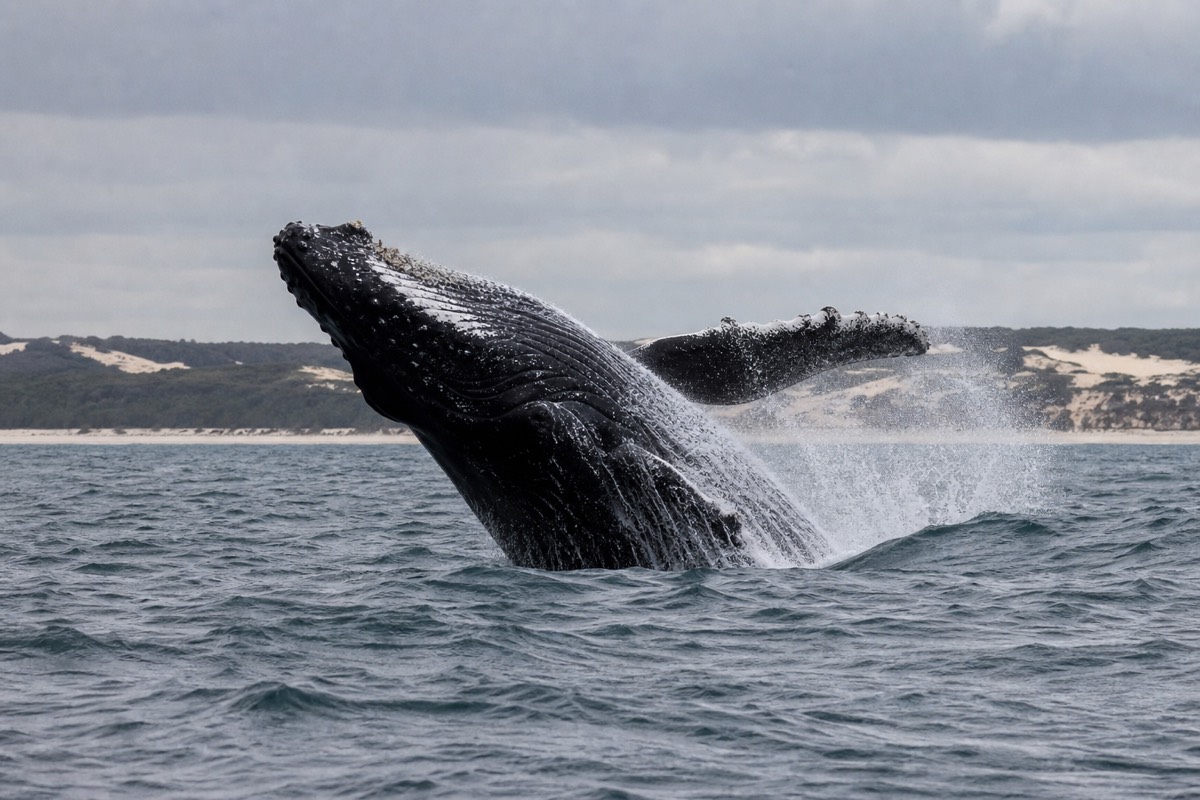
Moreton Island sits close enough to the humpback migration route along the Queensland coast that whale sightings show up as a genuine, recurring feature on several of the island's day tours, not just on specialist whale-watching charters.
A dedicated whale cruise sets aside three hours for the migration; incidental sightings on a crossing are a different proposition. Explore Tangalooma Whale Watching Day
The Quick Answer
Humpback whales migrate past Moreton Island roughly June to October, with the most reliable sightings in August and September, when the migration is at its peak. Three separate tours on this site report whale sightings directly during their crossing to or from the island, so a dedicated whale-watching charter isn't the only way to see one here.
When Exactly Is Whale Season?
The migration runs roughly June through October along the Queensland coast, as humpbacks travel between Antarctic feeding grounds and warmer breeding waters further north, then make the return trip later in the season. Peak sighting reliability sits in August and September, when good tours report sighting rates in the 80-95% range.
| Tour | Reported whale window |
|---|---|
| Jet ski safari to Moreton Bay | June-October, on the run out into the bay |
| Full-day island hopping experience | June-August, during the 75-minute cruise |
| Kayak, snorkel & sandboarding combo | June-October, from the ferry deck |
Do You Need A Dedicated Whale-Watching Tour To See One?
Not necessarily. Because the migration route runs close enough to the ferry crossing itself, standard Moreton Island day tours report genuine whale sightings during transit in season, without being marketed specifically as whale-watching trips. That said, no sighting is ever guaranteed on wildlife tours generally, whale or otherwise, so treat any sighting as a bonus to a day that's worth taking anyway rather than the sole reason to book a specific date.
What's The Best Month Specifically For Whale Watching Here?
August and September give the strongest combination of migration density and sighting reliability. Earlier in the season (June-July) the whales are still travelling north in fewer numbers; by October the migration is thinning as whales head back south, though later sightings do still happen.
Where's The Best Vantage Point If You Want To Maximise Your Odds?
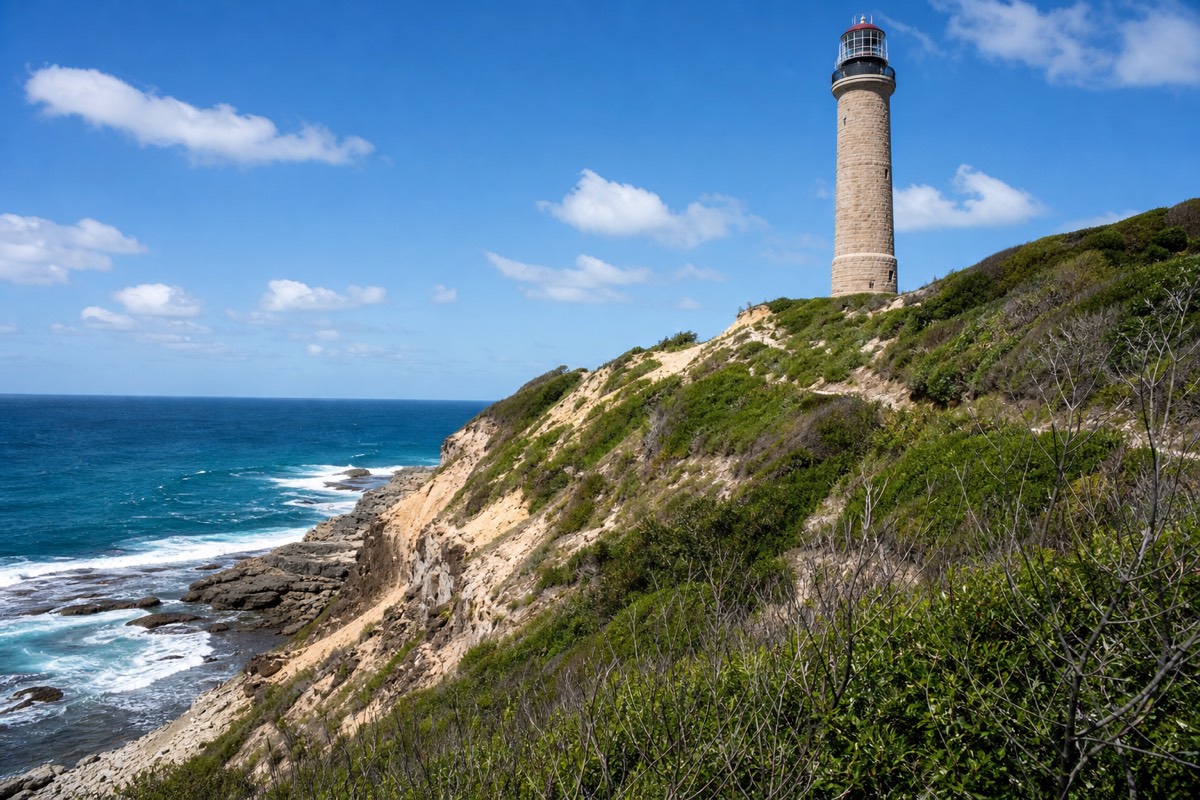
On the water, during any tour's open-ocean crossing legs, gives you the closest range. On land, Cape Moreton Lighthouse's high headland position makes it one of the better shore-based whale-watching spots on the island, worth combining with a 4WD day if watching from land appeals more than from a boat.
Tips For Spotting Whales From The Boat
- Scan for the blow (a spray of water) before looking for the whale itself; it's usually the first visible sign
- Mid-morning crossings often have calmer water, which makes spotting easier than choppier conditions
- Bring polarised sunglasses; they cut glare off the water noticeably
- Stay near the open deck rather than an enclosed cabin during the crossing legs
Why Does The Migration Pass So Close To Moreton Island In The First Place?
Humpback whales travelling the East Australian migration route stay relatively close to the coastline for navigation, and Moreton Island sits directly along that path as whales move between Antarctic feeding grounds and warmer breeding waters off northern Queensland, then return south later in the season. That coastal proximity is exactly why boat crossings this close to shore have a genuine chance of a sighting, unlike destinations further offshore from the main migration corridor.
Northbound Vs Southbound Migration: Does It Matter Which You Catch?
Early in the season (roughly June-July) you're more likely to see whales travelling north toward breeding grounds, often in smaller, faster-moving groups; later (September-October) the southbound return migration includes more mothers travelling with newly born calves, moving at a slower pace and sometimes lingering closer to shore, which some whale watchers find gives more sustained viewing opportunities.
What Should You Do If You Don't See A Whale On Your Trip?
Treat it as the nature of wildlife watching rather than a failed trip: no operator can guarantee a sighting on any single crossing, and the rest of a Moreton Island day, the wrecks, the dunes, the wildlife, stands on its own regardless. If whale watching specifically is your priority and a no-show would be disappointing, booking during the August-September peak gives you the best realistic odds available.
Planning A Trip Around Whale Season?
See our best time to visit guide for how whale season stacks up against the rest of the year's trade-offs, including crowd levels and water conditions for snorkeling.